U.S. Housing Inventory Predictions for 2027 and Beyond: Will Buyers Finally Have More Choices?

For years, one of the defining characteristics of the U.S. housing market has been a shortage of homes.
Buyers in many communities have faced limited inventory, intense competition, and rapidly changing prices. Even as mortgage rates increased, the shortage of available homes helped prevent many markets from experiencing the type of major price declines some buyers expected.
But the housing market is changing.
New homes are being built, homeowners are gradually becoming more willing to sell, and changing mortgage conditions could bring additional properties onto the market.
As the United States moves toward 2027 and beyond, the biggest question may be:
Will housing inventory finally catch up with demand?
At Onest Real Estate, we believe inventory is likely to improve in many parts of the country over the coming years, but the improvement will not be uniform.
Some markets could experience a meaningful increase in available homes.
Others may continue struggling with limited supply.
And in certain communities, population growth could absorb much of the new inventory almost as quickly as it arrives.
Understanding this supply equation will be essential for anyone planning to buy, sell, or invest in U.S. real estate.
Why Housing Inventory Matters So Much
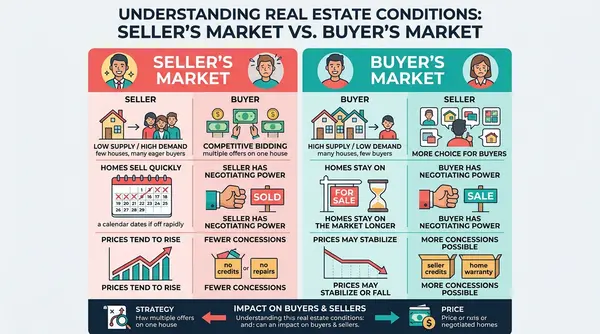
Housing prices are influenced by many factors, but supply and demand remain fundamental.
When many buyers compete for a small number of homes, sellers generally have more negotiating power.
When buyers have more properties to choose from, sellers may need to compete more actively.
Inventory can influence:
-
Home prices
-
Days on market
-
Negotiating power
-
Multiple-offer situations
-
Seller concessions
-
New construction
-
Rental demand
This means the future supply of homes could be just as important as mortgage rates.
Inventory Could Gradually Improve Through 2027
One likely scenario is a gradual increase in housing inventory.
This could come from several sources.
Existing homeowners may become more willing to sell if mortgage rates decline.
Builders may continue adding new homes.
Some investors may sell properties.
And households that postponed moving could eventually return to the market.
However, inventory is unlikely to increase evenly across the country.
The Mortgage Lock-In Effect Will Still Matter
One of the biggest obstacles to existing-home inventory is the large number of homeowners with low mortgage rates.
Many homeowners who purchased or refinanced during the period of exceptionally low rates may be reluctant to sell.
Why?
Because selling means replacing a low-rate mortgage with a new loan that could carry a significantly higher interest rate.
This can make moving financially unattractive.
If mortgage rates fall, the difference between existing and new borrowing costs could become smaller.
That could encourage more homeowners to sell.
But the lock-in effect is unlikely to disappear overnight.
Lower Mortgage Rates Could Unlock Existing Homes
Imagine a homeowner with a very low mortgage rate who has been considering moving.
At a significantly higher market rate, the financial cost of replacing that mortgage may be too large.
If market rates decline, moving may become more manageable.
If enough homeowners reach that point, the number of existing homes available for sale could increase.
This could be one of the most important inventory changes of the 2027 housing market.
New Construction Will Fill Part of the Gap
Builders are another major source of housing supply.
New construction can provide homes that did not previously exist.
This is especially important in markets where existing homeowners are reluctant to sell.
New communities can provide:
-
Entry-level homes
-
Townhomes
-
Single-family properties
-
Multifamily housing
-
Build-to-rent communities
However, construction faces its own challenges.
Land, labor, materials, financing, regulations, and permitting can all affect how quickly builders can deliver new housing.
Builders May Focus More on Affordability
For much of the recent housing cycle, affordability has been a major challenge.
Builders may respond by designing homes that are more accessible to buyers.
That could include:
-
Smaller floor plans
-
Townhomes
-
Smaller lots
-
Efficient layouts
-
Fewer luxury features
-
Higher-density communities
The future starter home may not look like the traditional large suburban house.
It may be smaller, more efficient, and located closer to employment and amenities.
The Entry-Level Supply Gap Could Remain Significant
Adding housing does not automatically solve affordability.
If most new homes are expensive, first-time buyers may continue struggling to find affordable options.
This means the type of housing being constructed will matter.
The market needs housing at different price levels.
If developers focus heavily on luxury and move-up properties, the entry-level shortage may remain.
More Townhomes Could Enter the Market
Townhomes can offer a middle ground between apartments and detached single-family homes.
They can provide:
-
Multiple bedrooms
-
Private entrances
-
Outdoor space
-
Parking
-
Lower purchase prices than some detached homes
As land becomes more expensive, townhome development could become increasingly attractive.
This could make townhomes an important part of the 2027 housing inventory story.
Multifamily Construction Could Continue Adding Supply
Apartments and other multifamily properties can add large numbers of housing units relatively quickly.
This can help address rental demand.
But markets receiving substantial multifamily construction may experience a period of increased competition among landlords.
That could benefit renters through:
-
More choices
-
Better amenities
-
More concessions
-
Greater negotiating power
Investors, however, may need to account for increased competition when evaluating rental properties.
Build-to-Rent Could Add Another Source of Housing
Build-to-rent communities are becoming increasingly important in some U.S. markets.
Instead of being sold individually, homes are designed and constructed specifically for rental purposes.
These communities can provide residents with some features traditionally associated with homeownership, including:
-
Private yards
-
Garages
-
Multiple bedrooms
-
Community amenities
As demand for single-family rental housing continues, build-to-rent could become a larger component of future housing supply.
Sun Belt Markets Could See the Biggest Inventory Changes
Markets across the Sun Belt experienced substantial construction during the housing boom.
States such as Texas, Florida, Arizona, Georgia, Tennessee, and North Carolina have seen major development.
In some communities, the amount of new housing entering the market could give buyers more choices than they had several years ago.
This may create a more balanced environment.
However, population growth could absorb much of that supply.
The key question will be whether new construction is faster or slower than household growth.
High-Growth Markets Could Absorb New Supply Quickly
A city adding thousands of new homes may still experience housing shortages if tens of thousands of new residents arrive.
This is why construction numbers should not be viewed in isolation.
Population growth, household formation, employment, and migration all need to be considered.
A growing city can build more housing and still experience rising prices if demand grows even faster.
Northeast and Coastal Markets May Remain Supply-Constrained
Some established metropolitan areas face physical and regulatory constraints on new construction.
Limited available land can restrict the amount of housing that can be added.
Local zoning and development regulations can also affect supply.
In these markets, even modest population growth could create strong housing demand.
That may continue supporting property values.
The Midwest Could Offer a Different Supply Picture
Many Midwestern communities have greater potential for housing expansion.
Land availability can make new construction easier in some areas.
But demand varies considerably.
A city with stable employment and population growth could benefit from additional housing.
A declining population market could experience the opposite problem: more homes than buyers.
This means investors and developers must pay close attention to local demographics.
Population Growth Will Determine Whether Supply Is Enough
Housing demand begins with households.
If the number of households grows faster than the number of available homes, housing remains tight.
If housing construction grows faster than household demand, inventory increases.
This simple relationship could create dramatically different outcomes between communities.
Population and household formation will therefore remain critical indicators throughout the coming decade.
First-Time Buyers Need More Entry-Level Inventory
The first-time buyer segment may benefit significantly if more affordable homes become available.
For years, many potential buyers have struggled because entry-level homes were scarce.
This can create a difficult cycle.
Existing homeowners do not sell because they cannot find their next home.
First-time buyers cannot purchase because there are not enough affordable properties.
More new construction at lower price points could help break that cycle.
Baby Boomers Could Release More Housing Over Time
Another long-term source of potential inventory is aging homeowners.
As older Americans downsize, move closer to family, enter retirement communities, or otherwise change their housing needs, some properties could return to the market.
However, this is likely to happen gradually.
It should not be interpreted as a sudden wave of homes coming onto the market.
Instead, demographic changes could contribute to a slow transformation of housing inventory over the next decade.
Smaller Homes Could Improve Inventory Efficiency
The future housing market may increasingly prioritize efficient use of land.
Smaller homes can allow communities to accommodate more households.
This could lead to greater development of:
-
Townhomes
-
Condominiums
-
Duplexes
-
Triplexes
-
Cottage communities
-
Accessory dwelling units
These housing types may become increasingly important as communities search for ways to add supply without expanding endlessly outward.
ADUs Could Become Part of the Housing Solution
Accessory dwelling units can create additional living space on existing residential properties where local regulations permit them.
They can be used for:
-
Family members
-
Guests
-
Long-term renters
-
Caregivers
-
Home offices
As housing affordability remains a concern, ADUs could become a useful tool for increasing housing capacity within existing neighborhoods.
Zoning Reform Could Change Future Supply
Local zoning policies can strongly influence how much housing can be built.
Communities that permit greater density may be able to add more homes.
Changes allowing:
-
Townhomes
-
Duplexes
-
Smaller lots
-
Multifamily buildings
-
ADUs
could gradually increase housing supply.
However, zoning changes do not produce immediate inventory.
Planning, financing, permitting, and construction can take years.
That means decisions made today could influence housing conditions well into the late 2020s and beyond.
Insurance Could Affect Where New Housing Is Built
Insurance costs could become another consideration for developers.
If insurance becomes significantly more expensive in certain high-risk locations, the cost of building and owning homes could increase.
This could affect both development decisions and buyer demand.
Markets with more manageable long-term ownership costs could become relatively more attractive.
Housing Inventory Could Improve Without Home Prices Falling
More inventory does not automatically mean prices will decline.
If additional supply is accompanied by stronger demand, prices can continue rising.
For example:
1,000 new homes + 2,000 new households = continued competition.
But:
2,000 new homes + 1,000 new households = greater buyer choice.
This simple comparison illustrates why supply must always be considered alongside demand.
What More Inventory Could Mean for Buyers
If inventory improves, buyers could gain several advantages.
They may have more time to:
-
Compare properties
-
Conduct inspections
-
Evaluate financing
-
Negotiate
-
Consider different neighborhoods
The pressure to make an immediate offer could decrease.
This could result in a healthier purchasing environment.
Buyers Could Gain More Negotiating Power
Greater inventory could allow buyers to negotiate more frequently.
Negotiations may involve:
-
Price
-
Repairs
-
Closing costs
-
Seller concessions
-
Closing dates
-
Inspection terms
The strongest negotiation strategy will depend on local market conditions.
A market with limited inventory will still favor sellers more than a market with abundant listings.
Sellers Will Need to Compete on Value
More inventory means sellers cannot rely solely on scarcity.
A property may need to stand out through:
-
Accurate pricing
-
Condition
-
Presentation
-
Marketing
-
Location
-
Features
Homes that provide strong value could continue attracting buyers.
Overpriced properties may sit longer.
Investors Should Watch New Construction Carefully
Investors should monitor where large amounts of new housing are being developed.
New construction can create opportunities.
But it can also create competition.
If hundreds or thousands of new rental units enter a market, existing landlords may need to adjust rents or improve properties.
Similarly, large numbers of new homes for sale could affect resale competition.
The 2027 Market Could Be More Balanced
If inventory increases while demand remains healthy, 2027 could become a more balanced housing market.
Buyers may have more choices.
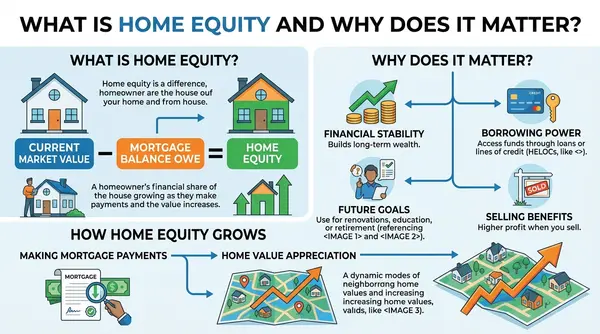
Sellers may still benefit from home equity.
Builders may continue supplying new housing.
And negotiations could become more common.
This could be healthier than a market where buyers compete aggressively for very few properties.
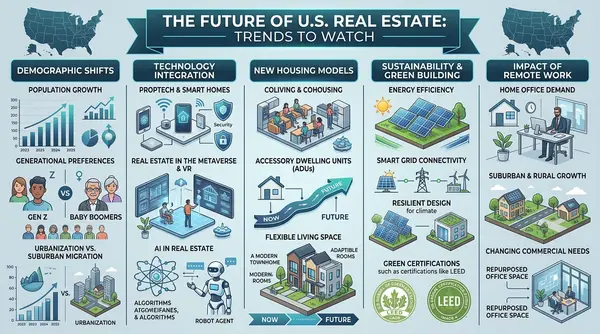
Looking Toward 2030
The housing supply story will continue beyond 2027.
By 2030, several trends could have a significant influence:
-
More multifamily housing
-
More townhome development
-
Growth of build-to-rent
-
Expansion of ADUs
-
Greater housing density
-
Continued suburban development
-
More technology-enabled construction
-
Changing homeowner demographics
The biggest challenge will remain affordability.
The U.S. does not simply need more homes.
It needs homes that people can realistically afford.
The Biggest Prediction: Supply Will Become More Localized
The future housing market may increasingly divide into two categories.
Markets that successfully add housing could become more affordable and competitive.
Markets that struggle to add housing could remain expensive and supply-constrained.
This difference could become one of the strongest determinants of property values during the second half of the decade.
What This Means for Onest Real Estate Clients
For buyers, increasing inventory could create opportunities to be more selective.
For sellers, it could make pricing strategy more important.
For investors, it could make market-level supply analysis essential.
The same strategy will not work in every community.
That is why understanding local inventory trends matters.
Final Thoughts
The U.S. housing shortage is unlikely to disappear overnight.
But the market is gradually changing.
More new homes are being constructed.
Some homeowners may become more willing to sell.
Housing types are evolving.
Zoning policies are changing in some communities.
And buyers are increasingly demanding affordability and value.
The result could be a gradual improvement in housing inventory throughout 2027 and the years that follow.
But the improvement will not happen equally everywhere.
Some markets may remain supply-constrained for years.
Others could transition into much more buyer-friendly environments.
At Onest Real Estate, we believe housing inventory will be one of the most important indicators to watch as the market moves toward 2027 and beyond.
The future will not simply belong to the cities building the most homes.
It will belong to communities that can successfully balance housing supply, affordability, employment, infrastructure, and quality of life.
For buyers, sellers, and investors, understanding that balance today can provide a valuable advantage in preparing for tomorrow's real estate market.
Categories
Recent Posts