U.S. Real Estate Market Predictions for 2027: What Buyers, Sellers, and Investors Should Expect

The U.S. housing market has spent the past several years navigating an unusual combination of high home prices, elevated mortgage rates, limited housing supply, changing buyer preferences, and shifting economic conditions.
As the market moves toward 2027, one thing is becoming increasingly clear: the next phase of American real estate may look very different from the rapid-growth environment experienced earlier in the decade.
Rather than expecting one dramatic nationwide shift, real estate professionals are increasingly looking at a market that could become more balanced, more localized, and more dependent on affordability.
At Onest Real Estate, we believe the most useful way to think about 2027 is not as a year that will produce one single housing-market outcome, but as a period in which several important trends could reshape the decisions of buyers, sellers, homeowners, and investors.
Here are the major predictions we believe could define U.S. real estate in 2027 and the years that follow.
1. The Housing Market Could Become More Balanced
One of the most important changes expected in the coming years is a gradual movement toward greater balance between buyers and sellers.
For years, limited inventory gave sellers significant negotiating power in many markets.
Buyers often had to compete for desirable properties, sometimes making offers above asking price or waiving certain protections to remain competitive.
As more homeowners become willing to sell and new construction adds inventory, buyers could gain more negotiating power in certain markets.
This does not mean every U.S. housing market will suddenly become a buyer's market.
Real estate is highly local.
Some cities and neighborhoods may continue experiencing tight inventory, while others could see considerably more available homes.
The broader prediction is that buyers may have more opportunities to compare properties rather than feeling pressured to purchase immediately.
2. Mortgage Rates Will Remain a Major Market Driver
Mortgage rates are likely to remain one of the biggest factors affecting housing activity in 2027.
If borrowing costs gradually decline, some buyers who have been waiting on the sidelines could return to the market.
Lower financing costs could improve monthly affordability and increase purchasing power.
However, a significant return to the exceptionally low mortgage rates seen during the early 2020s should not be assumed.
The housing market may need to adjust to a new normal in which buyers make purchasing decisions with higher financing costs than previous generations experienced.
For buyers, this means the question may increasingly become:
“Can I afford this home comfortably?”
rather than:
“Should I wait for the perfect mortgage rate?”
3. Home Prices Are Likely to Rise More Slowly Than During the Housing Boom
One prediction for 2027 and the following years is that national home-price growth could become more moderate.
That does not necessarily mean home prices will fall.
Instead, appreciation may return to a more sustainable pace in many markets.
The rapid price increases experienced in some parts of the country were supported by exceptionally strong demand and limited inventory.
As affordability pressures remain, buyers may become less willing or able to support aggressive price increases.
Markets with strong job growth, limited land, desirable amenities, and restricted housing supply could continue to outperform.
Other markets may experience slower appreciation or periods of price stability.
4. Affordability Will Remain the Biggest Challenge
Even if mortgage rates decline and home-price growth slows, affordability is unlikely to disappear as a concern.
The cost of purchasing a home depends on more than the listing price.
Buyers must also consider:
-
Mortgage payments
-
Property taxes
-
Homeowners insurance
-
HOA fees
-
Maintenance
-
Utilities
-
Closing costs
These expenses can significantly affect a household's housing budget.
As a result, affordability is likely to influence where Americans choose to live throughout 2027 and beyond.
Some buyers may move farther from expensive metropolitan areas.
Others may purchase smaller homes, townhomes, or condominiums.
Some may continue renting while saving for a larger down payment.
5. Smaller and More Affordable Homes Could Gain Popularity
One of the most important changes in future housing demand could be the increasing popularity of homes that prioritize affordability over size.
For many first-time buyers, large single-family homes may remain financially difficult to purchase.
This could increase interest in:
-
Townhomes
-
Condominiums
-
Smaller single-family homes
-
Duplexes
-
Multifamily properties
-
Newly built starter homes
The traditional idea that every buyer wants the largest possible house may become less relevant.
Instead, buyers may increasingly prioritize manageable monthly payments, efficient layouts, desirable locations, and lower maintenance costs.
6. First-Time Buyers Could Gradually Return
High prices and financing costs have made homeownership difficult for many younger Americans.
However, changing market conditions could gradually create better opportunities for first-time buyers.
If mortgage rates become more manageable, inventory improves, and price growth slows, some buyers who postponed homeownership may begin entering the market.
The return of first-time buyers could become an important source of demand in 2027.
However, affordability will remain the deciding factor.
Buyers will likely be more careful about how much they borrow and more focused on the complete cost of ownership.
7. Buyers May Become More Selective
Future buyers are likely to become increasingly analytical.
Instead of purchasing simply because a property is attractive, buyers may pay closer attention to:
-
Energy costs
-
Insurance
-
Property taxes
-
Maintenance requirements
-
Neighborhood development
-
Commute
-
Resale potential
This could benefit homes that are well-maintained and appropriately priced.
Properties requiring significant repairs may need to offer a meaningful price advantage to attract buyers.
8. Insurance Costs Could Reshape Local Housing Markets
Insurance is becoming an increasingly important consideration for homeowners.
In areas exposed to hurricanes, flooding, wildfires, severe storms, or other environmental risks, insurance costs could influence purchasing decisions more heavily in the coming years.
Some buyers may avoid properties where insurance premiums make ownership too expensive.
Others may demand discounts for properties with higher perceived risks.
This means insurance could become a larger part of the conversation surrounding property value.
At Onest Real Estate, we believe buyers should consider insurance costs early rather than treating them as a final step before closing.
9. Climate Risk Could Influence Property Values
Climate-related risks could increasingly affect real estate decisions.
Properties in areas with greater exposure to environmental hazards may experience different demand patterns from properties with lower perceived risks.
Buyers may pay greater attention to:
-
Flood zones
-
Fire risk
-
Storm exposure
-
Drainage
-
Elevation
-
Building standards
-
Insurance availability
This does not mean properties in higher-risk areas will automatically lose value.
Many such locations remain highly desirable.
However, the cost of managing risk could become increasingly important when determining what buyers are willing to pay.
10. New Construction Will Become Increasingly Important
The United States needs additional housing in many growing communities.
New construction can help address inventory shortages while providing homes with modern layouts and updated systems.
In the coming years, builders may increasingly focus on creating homes that meet affordability requirements.
This could include:
-
Smaller floor plans
-
Townhomes
-
Higher-density developments
-
Mixed-use communities
-
Energy-efficient homes
The challenge will be balancing construction costs with what buyers can realistically afford.
11. Suburbs Could Continue Attracting Buyers
Suburban markets are likely to remain important throughout 2027.
Many households continue to value:
-
Larger homes
-
Outdoor space
-
Parking
-
Schools
-
Quiet neighborhoods
-
Community amenities
Hybrid work could further support demand for suburban locations among workers who do not need to commute every day.
However, the strongest suburban communities may increasingly be those that provide more than housing.
Buyers may prefer suburbs with restaurants, shopping, recreation, healthcare, schools, and convenient transportation nearby.
12. Walkable Suburban Communities Could Become More Attractive
The future of suburban development may not look like the traditional car-dependent suburb.
Many buyers want space but also want convenience.
This could increase interest in communities where residents can easily access:
-
Restaurants
-
Retail
-
Parks
-
Schools
-
Entertainment
-
Fitness facilities
-
Community spaces
Developments that combine residential and lifestyle amenities could become increasingly attractive.
13. Remote Work Will Continue Influencing Housing Decisions
Remote work is unlikely to disappear completely.
While some companies are requiring employees to return to offices, hybrid and flexible arrangements remain important across many industries.
This could continue influencing housing decisions.
A buyer may accept a longer commute if they only need to travel to the office a few days a week.
Homes with dedicated office space may also retain strong appeal.
The importance of a home office could therefore remain a meaningful consideration in future housing demand.
14. Technology Will Transform the Real Estate Experience
The real estate transaction of the future will likely become increasingly digital.
Buyers may use technology to:
-
Tour properties remotely
-
Compare neighborhoods
-
Analyze mortgage payments
-
Estimate ownership costs
-
Review property histories
-
Visualize renovations
-
Communicate with agents
Artificial intelligence may also become increasingly integrated into property marketing and market analysis.
However, technology will not eliminate the need for real estate professionals.
Buying a home remains a major financial and emotional decision.
Clients will still need people who understand negotiations, contracts, local markets, and individual circumstances.
15. Artificial Intelligence Could Change Real Estate Marketing
AI is likely to play a larger role in how properties are marketed.
Real estate professionals may use AI-assisted tools for:
-
Listing descriptions
-
Market analysis
-
Customer communication
-
Lead management
-
Advertising
-
Content creation
-
Data analysis
However, successful real estate marketing will still depend on authenticity.
Buyers want accurate information and realistic representations of properties.
Technology should improve communication rather than replace genuine client relationships.
16. Investors May Focus More on Cash Flow
Real estate investors are likely to become more selective in the coming years.
Higher financing costs, insurance, taxes, and maintenance expenses can reduce investment returns.
As a result, investors may place greater emphasis on properties that generate reliable income.
Instead of relying entirely on appreciation, investors may evaluate:
-
Rental demand
-
Net operating income
-
Vacancy
-
Maintenance
-
Financing
-
Insurance
-
Property taxes
Markets with strong employment and population growth could remain attractive.
But investors may become less willing to purchase properties simply because they expect prices to rise rapidly.
17. Rental Demand Will Remain Strong
Even if homeownership becomes more accessible, millions of Americans will continue renting.
High purchase prices, lifestyle flexibility, career mobility, and changing household structures will continue supporting rental demand.
This could keep professionally managed rental communities and well-located investment properties attractive.
However, renters will also become increasingly price-sensitive.
Properties that provide convenience, quality, and reasonable pricing could perform better than properties relying solely on location.
18. Multifamily Housing Could Expand
Multifamily properties could play an increasingly important role in addressing housing demand.
Apartments, townhomes, duplexes, and other higher-density housing types allow communities to add more homes without requiring large amounts of land.
As land prices increase, developers may increasingly consider higher-density projects.
The success of these developments will depend on local zoning, infrastructure, employment growth, and consumer demand.
19. Homeowners May Stay Longer
One factor that could continue restricting existing-home inventory is homeowner reluctance to move.
Some homeowners may have secured favorable mortgage rates in previous years and may be reluctant to give them up.
This phenomenon could continue affecting housing supply even if rates gradually decline.
If homeowners remain hesitant to sell, desirable properties could remain difficult to find in certain markets.
That could support prices even when overall demand becomes more moderate.
20. Local Market Differences Will Become Even More Important
One of the biggest predictions for 2027 is that national housing statistics will become less useful for individual decision-making.
The U.S. does not have one uniform real estate market.
There are thousands of local markets with different:
-
Employment conditions
-
Housing supply
-
Demographics
-
Taxes
-
Insurance costs
-
Regulations
-
Price levels
-
Rental markets
A national prediction may say prices are rising, but that does not mean every neighborhood will experience the same trend.
For buyers and sellers, local analysis will remain essential.
21. Sellers Will Need to Price More Carefully
If buyers gain more choices, sellers may have less room to overprice properties.
Homes that are priced realistically and presented well could attract stronger interest.
Overpriced properties may remain on the market longer and eventually require price reductions.
Sellers should therefore enter the market with realistic expectations.
The goal should not simply be to achieve the highest possible asking price.
It should be to position the property correctly within the market.
22. Negotiation Could Become More Important
As inventory improves, buyers may gain greater negotiating power.
Negotiations could involve more than purchase price.
Buyers and sellers may negotiate:
-
Closing dates
-
Repairs
-
Seller concessions
-
Inspection terms
-
Financing-related conditions
-
Included items
This could make professional representation increasingly valuable.
A skilled real estate professional can help clients evaluate not only the price but the entire structure of an offer.
23. Housing Supply Policies Could Have a Major Impact
Government policy will continue influencing real estate.
Changes involving zoning, development regulations, housing incentives, taxes, and infrastructure can affect how much housing communities can build.
Markets that successfully increase housing supply may experience better affordability over the long term.
Markets where construction remains heavily restricted may continue facing supply shortages.
For this reason, buyers and investors should pay attention not only to current market conditions but also to local development policies.
24. Homeownership Will Remain a Long-Term Goal for Many Americans
Despite affordability challenges, owning a home remains an important financial and lifestyle goal for millions of Americans.
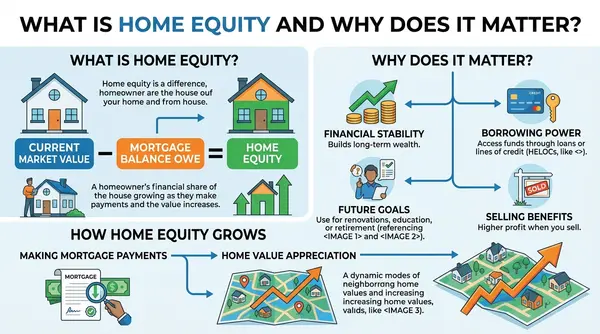
Homeownership can provide stability and the potential to build equity over time.
But the definition of the “right home” may change.
Future buyers may prioritize affordability, flexibility, efficiency, and location over simply buying the largest property they can afford.
That shift could influence the types of homes developers build and the neighborhoods buyers choose.
What Could the U.S. Housing Market Look Like by 2030?
Looking beyond 2027, several broad trends could continue shaping the market through the end of the decade.
Housing could become increasingly technology-driven.
Energy efficiency may become more important.
Insurance and climate risk could influence location decisions.
Smaller and more affordable housing could become more common.
Multifamily and mixed-use development may expand.
And buyers may become increasingly focused on the total cost of ownership.
At the same time, traditional real estate fundamentals will remain important.
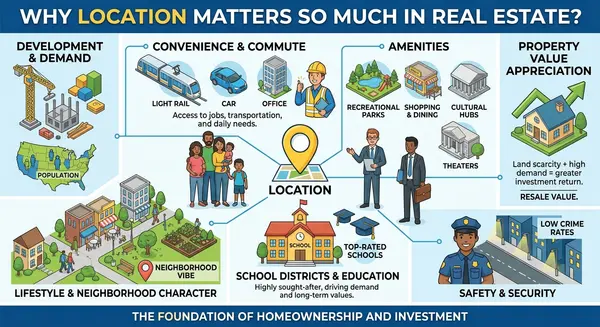
Location will matter.
Supply and demand will matter.
Employment will matter.
Affordability will matter.
And properties that provide genuine value will continue attracting buyers.
What Should Buyers Do Now?
Buyers should avoid trying to predict the exact month when the market will become “perfect.”
Instead, focus on preparation.
Build savings.
Understand your credit.
Learn about financing.
Research neighborhoods.
Understand total ownership costs.
And determine what you can comfortably afford.
If the right property becomes available, being financially prepared can be more valuable than trying to perfectly time the market.
What Should Sellers Do?
Sellers should focus on value.
Before listing, evaluate the property honestly.
Understand comparable sales.
Review competing listings.
Complete important repairs.
Improve presentation.
And develop a pricing strategy based on current conditions.
A strong listing strategy can help a property compete even when buyers have more choices.
What Should Investors Watch?
Investors should monitor:
-
Employment growth
-
Population trends
-
Rental demand
-
Housing construction
-
Insurance costs
-
Property taxes
-
Financing conditions
-
Local regulations
The best opportunities may not always be in the markets receiving the most attention.
Strong fundamentals can matter more than popularity.
Final Thoughts
The U.S. real estate market of 2027 is unlikely to be defined by one dramatic event.
Instead, the market may continue evolving through a combination of moderate price growth, changing mortgage conditions, improved inventory, affordability pressures, technology, demographic shifts, and increasingly sophisticated buyers.
Some markets may experience strong growth.
Others may remain relatively stable.
Some properties may become highly competitive.
Others may require significant negotiation.
That is why real estate predictions should be viewed as a framework rather than a guarantee.
The most successful buyers, sellers, and investors will likely be those who understand the broader trends while paying close attention to their specific local market.
At Onest Real Estate, our approach is simple: stay informed, understand the numbers, watch the market closely, and make decisions based on facts rather than fear or hype.
The future of U.S. real estate will bring opportunities—but recognizing those opportunities will require preparation, patience, and a clear understanding of where the market is heading.
Categories
Recent Posts