U.S. Rental Market Predictions for 2027: What Renters, Landlords, and Investors Should Expect

The U.S. rental market is entering an important new phase.
For several years, rental housing experienced major shifts as Americans moved between cities, changed jobs, embraced remote work, and responded to rapidly changing housing costs. Rents increased significantly in many markets, while developers responded by building new apartments and multifamily communities.
As the market moves toward 2027, the rental landscape could become more balanced.
For renters, that could mean more choices in some markets.
For landlords, it could mean greater competition for tenants.
For investors, it could create opportunities—but also require more careful analysis.
At Onest Real Estate, we believe the rental market of 2027 will be shaped by one central question:
Can housing supply keep pace with the number of people who need rental homes?
The answer will vary significantly by location.
Some markets may experience continued rental growth.
Others could see rents stabilize.
Markets with substantial new apartment construction may even experience temporary downward pressure on asking rents or increased concessions.
Understanding these differences will be essential for anyone involved in U.S. rental real estate.
Rental Demand Is Likely to Remain Strong
Even if homeownership becomes somewhat more accessible, renting will remain an important part of the American housing market.
Many households will continue renting because purchasing a home requires a significant financial commitment.
Potential renters may include:
-
Young professionals
-
Students
-
Recent graduates
-
Relocating workers
-
Families saving for a down payment
-
People who prefer flexibility
-
Retirees downsizing
-
Temporary residents
This diverse renter population means rental demand is unlikely to disappear.
Instead, renters may become more selective about where and how they spend their housing budget.
Rent Growth Could Moderate
One of the strongest predictions for 2027 is that national rent growth could remain relatively moderate compared with the dramatic increases experienced during the pandemic-era rental boom.
A major reason is supply.
Developers have added a large number of multifamily units in several markets.
When more apartments become available, landlords have more competition.
That can reduce the ability to increase rents aggressively.
Instead, landlords may need to focus on retaining tenants and offering competitive value.
Some Markets Could See Flat Rents
Not every market needs to experience rising rents.
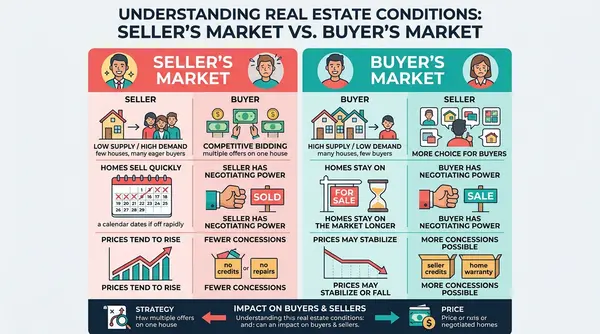
In areas where apartment construction has significantly increased, rental supply may temporarily exceed demand.
That could result in:
-
Flat asking rents
-
Longer leasing periods
-
Increased concessions
-
Free-month promotions
-
Reduced fees
-
Improved amenities
For renters, this could create attractive opportunities.
For landlords, it could require more flexible pricing strategies.
Multifamily Supply Will Be One of the Biggest Factors
The amount of new multifamily housing entering the market could have a major impact on rents in 2027.
When developers build thousands of new apartments in a growing market, renters gain more choices.
New properties may offer:
-
Modern kitchens
-
Fitness centers
-
Pools
-
Co-working spaces
-
Package rooms
-
Smart-home technology
-
Parking
-
Community lounges
Older properties may then need to compete by improving service, maintaining properties carefully, or offering more attractive pricing.
New Construction Does Not Automatically Mean Lower Rents Everywhere
While increased supply can reduce pricing pressure, the relationship is not always simple.
If a city is also experiencing rapid population and employment growth, new housing may simply absorb incoming demand.
In those markets, rents could continue increasing even while thousands of new apartments are completed.
This is another reason local analysis is essential.
The important question is not simply:
How many apartments are being built?
It is:
How does new supply compare with the number of new households entering the market?
The Sun Belt Rental Market Could Be Highly Competitive
Many Sun Belt markets experienced significant apartment construction.
Cities that attracted large numbers of new residents also attracted developers.
This created a wave of new rental supply.
For 2027, some of these markets could remain highly competitive.
Renters may benefit from more options.
Landlords may need to offer better value.
Investors may need to be especially careful when evaluating properties because rapidly increasing supply can affect occupancy and rental growth.
Midwest Rental Markets Could Attract More Attention
Affordability could make some Midwestern markets attractive to renters and investors.
If homeownership remains expensive relative to local incomes, rental demand can remain strong.
Markets with stable employment and reasonable living costs may continue attracting residents.
For investors, the combination of affordable acquisition prices and rental demand can be worth monitoring.
However, investors should evaluate each property individually rather than assuming an entire region will outperform.
Coastal Rental Markets Could Remain Expensive
Some major coastal metropolitan areas are likely to remain expensive for both homeowners and renters.
High housing costs can make purchasing difficult.
That can keep more households in the rental market.
Limited housing construction in certain high-demand communities can also support rents.
However, affordability pressures could still limit how quickly rents can increase.
Renters may respond by moving farther from expensive city centers or choosing smaller units.
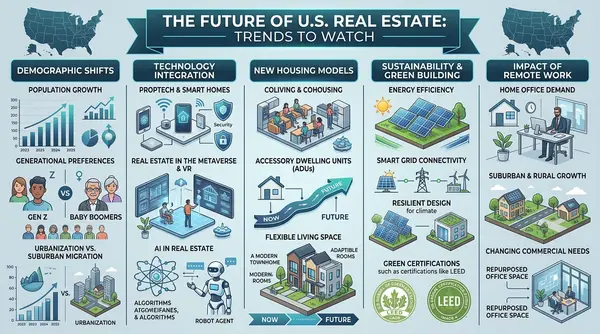
More Renters May Look Outside Major Urban Centers
The continued evolution of remote and hybrid work could influence where renters choose to live.
A person who only needs to visit an office a few days a week may be willing to live farther away.
This could increase rental demand in suburban and secondary markets.
Communities offering lower rents, larger homes, and convenient access to metropolitan areas could benefit.
Suburban Rentals Could Gain Popularity
Apartment living is no longer limited to downtown areas.
Developers are increasingly building rental communities in suburban locations.
These communities can offer:
-
Larger floor plans
-
Parking
-
Outdoor space
-
Access to schools
-
Retail nearby
-
Lower density
For families and professionals seeking space without purchasing a home, suburban rentals can be an attractive middle ground.
Single-Family Rentals Could Remain Important
The single-family rental sector could continue growing as households seek more space without taking on the financial commitment of buying.
Single-family rentals can appeal to:
-
Families
-
Pet owners
-
Remote workers
-
Households needing multiple bedrooms
In some markets, renters may prefer a detached home even if the monthly cost is higher than an apartment.
This could support continued demand for professionally managed single-family rental properties.
Renters Will Become More Focused on Total Value
Price will remain important, but renters may increasingly evaluate what they receive for that price.
A $2,000 apartment with limited amenities may compete differently from a $2,100 apartment that includes parking, fitness facilities, better maintenance, and convenient access to transportation.
Renters may compare:
-
Monthly rent
-
Utilities
-
Parking
-
Pet fees
-
Amenity fees
-
Transportation costs
-
Internet
-
Maintenance
-
Lease terms
This could encourage landlords to compete on overall value rather than simply lowering rent.
Concessions Could Become More Common
When competition increases, landlords may use concessions instead of permanently reducing asking rents.
Examples include:
-
One month free
-
Reduced security deposits
-
Waived application fees
-
Free parking
-
Reduced amenity fees
-
Moving incentives
These promotions can help properties attract tenants while maintaining headline rental prices.
Renters should therefore look beyond the advertised monthly rate and calculate the effective cost over the entire lease.
Tenant Retention Could Become More Important
Landlords often focus heavily on finding new tenants.
But retaining existing tenants can become particularly valuable in a competitive rental market.
A landlord may prefer keeping a reliable tenant rather than losing that tenant, preparing the property, marketing it, and waiting for a replacement.
This could encourage landlords to focus more heavily on:
-
Maintenance
-
Communication
-
Property improvements
-
Resident services
-
Flexible lease options
Good tenant experiences can become an important competitive advantage.
Technology Will Transform Rental Management
Technology will likely play a larger role in rental housing by 2027.
Tenants may increasingly expect:
-
Online applications
-
Digital lease signing
-
Online rent payments
-
Maintenance requests
-
Smart locks
-
Package management
-
Virtual tours
Landlords and property managers that provide convenient digital experiences could have an advantage.
Technology can also help property owners analyze occupancy, maintenance, pricing, and tenant behavior.
Artificial Intelligence Could Influence Rental Pricing
AI and data analytics may increasingly be used to help landlords evaluate rental prices.
Instead of relying solely on personal judgment, property managers may analyze:
-
Comparable properties
-
Occupancy
-
Demand
-
Seasonal patterns
-
Neighborhood trends
-
Local employment
-
New construction
However, technology should support professional judgment rather than replace it.
Local conditions can change quickly, and automated recommendations may not capture every factor affecting a specific property.
Renters May Become More Sensitive to Hidden Fees
A growing issue in rental housing is the difference between advertised rent and the actual monthly cost.
Renters may increasingly scrutinize additional charges such as:
-
Parking
-
Pet fees
-
Amenities
-
Trash
-
Technology
-
Utilities
-
Administrative fees
Transparent pricing could become a competitive advantage.
Landlords who clearly communicate the complete monthly cost may build greater trust with prospective tenants.
Affordable Housing Will Remain a Major Challenge
Despite potential moderation in rent growth, affordability will remain a serious issue.
Housing costs have increased faster than many household budgets in numerous markets.
Renters may therefore continue searching for ways to reduce housing expenses.
Some may choose:
-
Roommates
-
Smaller apartments
-
Longer commutes
-
Suburban locations
-
Multifamily housing
-
Shared housing
This could increase demand for smaller and more efficiently designed rental units.
Roommate Living Could Remain Popular
Sharing housing can significantly reduce individual housing costs.
Young professionals and other cost-conscious renters may continue choosing roommates even when they could technically afford a smaller apartment alone.
This could support demand for larger apartments and homes with multiple bedrooms.
Floor plans that provide privacy while maintaining shared living areas may become increasingly attractive.
Build-to-Rent Communities Could Expand
Build-to-rent communities are designed specifically for rental living.
These developments often consist of detached homes, townhomes, or similar properties managed as a single rental community.
They can offer renters some advantages of single-family living without requiring homeownership.
Features may include:
-
Private entrances
-
Garages
-
Outdoor space
-
Community amenities
-
Professional maintenance
As renters continue seeking more space, build-to-rent housing could become an increasingly important part of the market.
Rental Investors Will Need to Think Beyond Appreciation
For investors, the future rental market may require greater emphasis on cash flow.
When borrowing costs and operating expenses are high, simply expecting property values to increase may not be enough.
Investors should carefully examine:
-
Gross rental income
-
Vacancy
-
Maintenance
-
Property management
-
Insurance
-
Taxes
-
Financing
-
Capital expenditures
A property can appreciate and still produce poor short-term returns.
Strong investments require a balance between income potential, appreciation potential, and risk.
Insurance Costs Could Affect Rental Economics
Insurance is becoming increasingly important for rental-property owners.
Higher premiums can reduce cash flow.
In some areas, insurance availability may also become a concern.
Investors should therefore include realistic insurance assumptions when evaluating a property.
Ignoring insurance can make a seemingly attractive rental investment appear more profitable than it actually is.
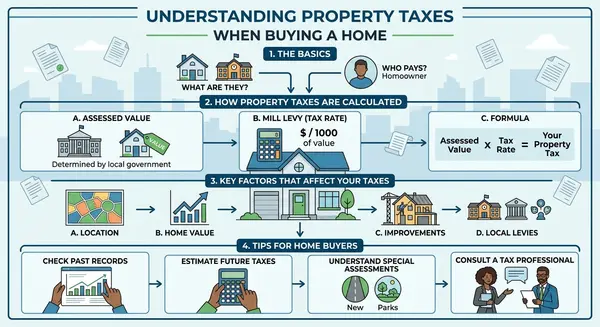
Property Taxes Will Continue to Matter
Property taxes can vary dramatically between locations.
Two rental properties with identical purchase prices can produce very different investment results because of tax differences.
Investors should examine local tax structures before purchasing.
Renters may also feel the indirect effects of rising property taxes if landlords pass higher operating costs into rental pricing.
Landlords May Focus More on Efficiency
Operating costs can significantly affect rental profitability.
Landlords may increasingly invest in:
-
Energy-efficient appliances
-
Better insulation
-
Smart thermostats
-
Efficient lighting
-
Water-saving fixtures
-
Improved building systems
These improvements can potentially reduce operating costs while making properties more attractive to tenants.
What Could Cause Rents to Decline?
A meaningful decline in rents could occur in markets where rental supply grows significantly faster than demand.
Other factors could include:
-
Population decline
-
Weak employment
-
Excessive apartment construction
-
Increased homeownership
-
Economic slowdown
But rental conditions would likely vary considerably between markets.
A city experiencing rapid job growth could continue seeing strong rental demand even while another city struggles with vacancies.
Could Falling Mortgage Rates Reduce Rental Demand?
If mortgage rates decline and home prices remain relatively stable, some renters may decide to become homeowners.
This could reduce rental demand at the margin.
However, purchasing a home requires more than an affordable mortgage rate.
Buyers still need:
-
Down payment
-
Closing costs
-
Credit qualification
-
Stable income
-
Emergency savings
Therefore, a decline in mortgage rates would not automatically cause a large migration from renting to owning.
What Renters Should Expect in 2027
Renters may have more negotiating opportunities in markets with abundant supply.
They should compare properties carefully rather than assuming the first available apartment is the best option.
Before signing a lease, consider:
-
Total monthly cost
-
Lease terms
-
Renewal policies
-
Parking
-
Utilities
-
Maintenance
-
Amenities
-
Neighborhood
-
Commute
The cheapest rent may not always represent the best overall value.
What Landlords Should Expect
Landlords should prepare for a more competitive environment in many markets.
Success may depend on:
-
Accurate pricing
-
Property condition
-
Tenant service
-
Marketing
-
Fast maintenance
-
Competitive amenities
-
Transparent fees
Properties that provide a strong overall experience may have an easier time attracting and retaining tenants.
What Rental Investors Should Watch in 2027
Investors should monitor several indicators closely.
Population Growth
More residents generally create more housing demand.
Employment
Job creation supports household formation and rental demand.
Apartment Construction
Large amounts of new supply can increase competition.
Rent Growth
Rental increases need to be compared with operating expenses.
Vacancy
High vacancy can quickly reduce investment returns.
Insurance
Rising premiums can significantly affect cash flow.
Property Taxes
Tax increases can reduce net income.
Mortgage Rates
Financing costs remain one of the most important factors in investment performance.
Looking Toward 2030
The rental market could look substantially different by the end of the decade.
Technology will likely become more deeply integrated into property management.
Build-to-rent communities may become more common.
Multifamily development could continue expanding.
Renters may demand greater transparency.
Energy efficiency could become increasingly important.
And affordability will remain central to housing decisions.
The most successful rental markets may be those that balance population growth with responsible housing development.
Final Thoughts
The U.S. rental market in 2027 could be more balanced than the extraordinary rental market experienced during the pandemic years.
New supply may give renters more choices.
Rent growth could moderate.
Landlords may need to compete more actively for tenants.
Investors may need to focus more heavily on cash flow and operating expenses.
But rental housing will remain essential.
Millions of Americans will continue renting because it provides flexibility and, in many cases, a more accessible path to housing than immediate homeownership.
The key difference may be that the future rental market will increasingly reward value, transparency, location, and quality.
At Onest Real Estate, we believe understanding the rental market requires looking beyond a single rent-growth number. Population trends, employment, construction, financing, insurance, taxes, and local housing demand all work together to shape rental opportunities.
For renters, the coming years could provide new choices.
For landlords, they could bring greater competition.
And for investors, they could create opportunities for those willing to study the numbers carefully.
As 2027 approaches, the rental market may not be defined by dramatic rent increases or widespread declines. Instead, it could be defined by a gradual shift toward balance—and by a growing difference between markets with strong fundamentals and those struggling with oversupply.
Categories
Recent Posts