The 2026 U.S. Real Estate Market: Where Are Home Prices Headed Next?

Home prices remain one of the biggest questions in the U.S. real estate market.
After several years of rapid price increases, higher mortgage rates have changed the pace of the market. Buyers are more cautious, sellers are becoming more strategic, and many homeowners are waiting for better financing conditions before making their next move.
Yet home prices have remained surprisingly resilient in many parts of the country.
That raises an important question:
Where are U.S. home prices headed in 2026 and 2027?
The answer is unlikely to be the same everywhere.
Some markets could see continued appreciation.
Others may experience relatively flat prices.
Some areas could see modest declines.
The national housing market is increasingly becoming a story of local differences rather than one single nationwide trend.
Why Home Prices Matter So Much
Home prices affect nearly every part of the housing market.
For buyers, they determine how much money must be borrowed.
For sellers, they determine the potential equity available from a sale.
For investors, they influence rental yields and investment returns.
For homeowners, price changes affect household wealth.
That is why even modest changes in home values can have a meaningful impact on consumers and the broader economy.
The Era of Rapid Price Growth Has Changed
The early 2020s produced an extraordinary housing environment.
Very low mortgage rates, limited inventory and strong demand pushed home prices sharply higher in many communities.
Buyers competed aggressively.
Homes often received multiple offers.
Properties sometimes sold above asking price.
That environment was difficult to sustain indefinitely.
As borrowing costs increased, buyer purchasing power declined.
The result was a significant slowdown in housing activity.
But slowing sales did not necessarily lead to a dramatic nationwide collapse in home prices.
Why Prices Have Remained Resilient
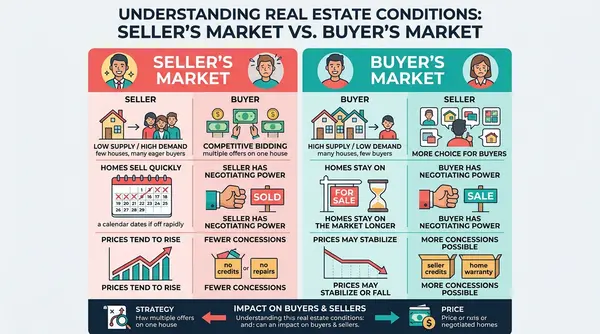
The biggest reason is supply.
The United States continues to face a long-term shortage of housing in many communities.
Even when demand weakens, homeowners are not necessarily willing to sell at significantly lower prices.
Many existing owners have substantial equity and relatively low mortgage payments.
That creates a floor under the market in some areas.
The Mortgage Lock-In Effect Supports Prices
Homeowners with very low mortgage rates may be reluctant to move.
Selling means giving up an inexpensive mortgage and potentially taking on a much higher rate.
As a result, some homeowners choose to stay put.
That reduces the number of homes available for sale.
Limited supply can help keep prices from falling rapidly even when demand slows.
But Prices Are Not Rising Everywhere
The resilience of the national market should not be interpreted as universal price growth.
Some markets have experienced greater inventory increases.
Some have seen substantial new construction.
Others experienced very rapid price growth during the pandemic and are now undergoing a period of normalization.
These markets may see slower appreciation or even periods of declining prices.
The Importance of Local Supply
The relationship between supply and demand is critical.
If a city has:
-
Strong job growth
-
Population growth
-
Limited construction
-
Few homes for sale
prices may remain strong.
If another city has:
-
High construction activity
-
Slower population growth
-
Increasing inventory
-
Weakening demand
price growth may be much more limited.
This is why national averages can hide important differences.
The U.S. Housing Market Is Becoming More Regional
Instead of one national housing cycle, the country is increasingly experiencing multiple local cycles.
A market in the Northeast may behave very differently from one in the South.
A major urban area may behave differently from a suburban community.
A high-cost coastal market may behave differently from a growing inland market.
For buyers and sellers, local research is therefore essential.
Affordability Is the Biggest Limitation on Prices
One factor puts a natural limit on how quickly home prices can rise:
What buyers can afford.
Household incomes have not increased at the same pace as housing costs in many markets.
When prices rise too far relative to incomes and mortgage payments, demand eventually becomes weaker.
That can slow price growth.
Mortgage Rates Could Change the Outlook
Mortgage rates will remain one of the biggest variables for housing prices.
If rates decline, buyers could regain purchasing power.
That may increase demand.
But lower rates could also encourage more homeowners to sell.
The effect on prices will depend on how supply and demand respond.
Lower Rates Could Push Prices Higher
This may seem counterintuitive.
If mortgage rates fall, buyers can afford larger loans at similar monthly payments.
If many buyers return at once and inventory remains limited, competition could increase.
Sellers may receive more offers.
Home prices could then rise.
Therefore, lower mortgage rates do not automatically mean lower home prices.
More Inventory Could Keep Prices in Check
If falling rates encourage both buyers and sellers to return, inventory could increase along with demand.
That could create a more balanced market.
In this scenario, transaction activity could increase without producing another dramatic price surge.
This would be a healthier outcome for many buyers and sellers.
New Construction Could Influence Prices
New construction is another major factor.
Builders are adding homes in many growing communities.
Additional supply can reduce competition for existing properties.
It can also give buyers more alternatives.
However, builders face high land, labor and material costs.
Those costs can make it difficult to produce significantly cheaper homes.
Starter Homes Are Especially Important
The biggest shortage in many markets is not luxury housing.
It is affordable entry-level housing.
First-time buyers often compete for a relatively small number of homes within their budgets.
If more builders can successfully develop affordable starter homes, the market could become more accessible to first-time buyers.
Townhomes Could Help Improve Affordability
Townhomes can provide a middle ground between apartments and detached houses.
They often offer more space than many condos while requiring less land than traditional single-family homes.
Because land is a major component of housing costs, higher-density housing can help make certain locations more affordable.
Condos Could Offer Another Entry Point
Condominiums can also provide an opportunity for buyers who prioritize location.
In expensive metropolitan areas, a condo may cost significantly less than a comparable detached property.
However, buyers need to consider HOA fees, insurance, reserves and potential assessments.
The purchase price alone does not tell the full story.
Home Prices and Monthly Payments
A home may be affordable based on price but unaffordable based on monthly payment.
For example, buyers must consider:
-
Principal
-
Interest
-
Property taxes
-
Insurance
-
HOA fees
-
Maintenance
As these costs rise, buyers may have less money available for the purchase itself.
This can place downward pressure on how much buyers are willing to pay.
Insurance Costs Could Affect Property Values
Insurance is becoming increasingly important in housing decisions.
In areas exposed to severe weather or other risks, rising insurance costs can affect affordability.
A property that appears reasonably priced may become less attractive if the cost of insurance makes the monthly payment significantly higher.
Over time, this could influence demand and property values in some areas.
Property Taxes Also Influence Affordability
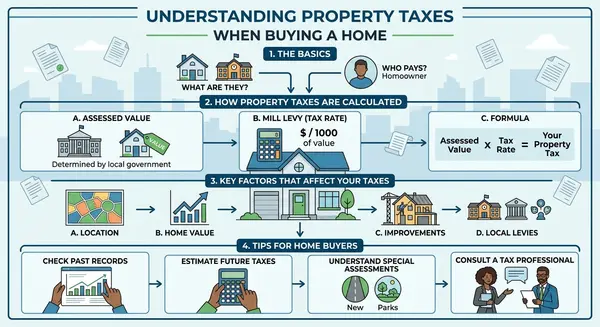
Property taxes vary widely across the country.
Buyers comparing homes should look beyond the purchase price.
A lower-priced property in a high-tax area could cost more each month than a slightly more expensive home in a lower-tax community.
This is particularly important when comparing markets.
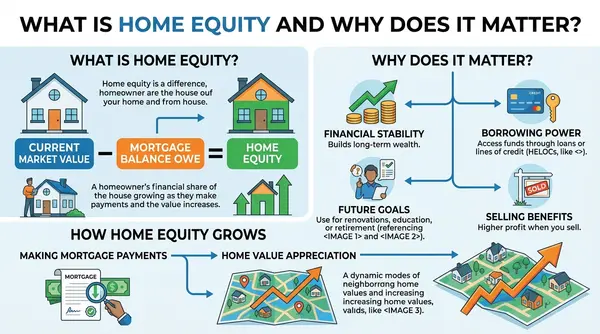
Homeowners Are Sitting on Significant Equity
Many existing homeowners have accumulated substantial equity because of years of home-price appreciation.
This gives sellers financial flexibility.
They may not be forced to sell quickly.
That can reduce the likelihood of widespread distressed selling.
Distressed Sales Remain an Important Risk Indicator
Large-scale foreclosures and distressed sales can put downward pressure on prices.
However, homeowners today generally have more equity than homeowners did before the 2008 housing crisis.
That creates an important difference between the current market and the conditions that preceded the financial crisis.
Today's challenges are primarily related to affordability and supply rather than the same widespread mortgage-credit problems seen before the Great Recession.
Why a 2008-Style Crash Is Not the Base Case
Comparisons with 2008 are common.
But the underlying conditions are different.
The housing market today is characterized by:
-
Limited inventory
-
High homeowner equity
-
More cautious lending standards
-
Strong demand in many communities
-
High borrowing costs
That does not mean prices cannot decline.
It means a nationwide collapse is not necessarily the most likely outcome simply because affordability is difficult.
Could Home Prices Fall in Some Markets?
Absolutely.
Markets can experience price declines when supply rises faster than demand.
Factors that can contribute include:
-
Population outflow
-
Weak employment
-
Excess construction
-
High carrying costs
-
Reduced investor demand
-
Economic slowdown
But price declines can also create opportunities for buyers who have strong finances and a long-term horizon.
Could Prices Rise Again?
Yes.
If mortgage rates decline and demand increases while inventory remains constrained, price appreciation could accelerate.
Population growth and job creation can also support higher prices.
However, buyers should be cautious about assuming the rapid appreciation of the early 2020s will return.
That period was unusual.
The Most Likely Scenario May Be Moderate Growth
For many markets, the most reasonable expectation may be slower and more sustainable price movement.
Instead of double-digit annual appreciation, some markets may experience:
-
Modest price growth
-
Flat prices
-
Short periods of decline
-
Gradual recovery
This would represent a normalization of the housing market rather than a collapse.
What Buyers Should Do
Buyers should focus less on predicting the exact direction of prices and more on purchasing a property that fits their financial situation.
Consider:
-
Monthly payment
-
Down payment
-
Emergency savings
-
Property taxes
-
Insurance
-
Maintenance
-
Expected length of ownership
If the numbers work and the home meets your needs, short-term price fluctuations may matter less.
Buyers Should Avoid Stretching Their Budget
A rising market can create pressure to buy before prices increase further.
But buying a home that strains your finances can create problems even if the property appreciates.
A sustainable payment is more important than trying to maximize potential appreciation.
What Sellers Should Do
Sellers should understand that today's buyers are more price-sensitive.
A home may not receive the same response it would have received several years ago.
Accurate pricing is essential.
Sellers should compare their property with recent sales and current competition.
Presentation Can Influence Sale Price
A well-presented home can stand out in a competitive market.
Important areas include:
-
Cleanliness
-
Repairs
-
Lighting
-
Landscaping
-
Photography
-
Staging
-
Overall maintenance
Small improvements can sometimes make a significant difference in how buyers perceive value.
Investors Need to Focus on Fundamentals
Real estate investors should not rely solely on expectations of appreciation.
A property should make sense based on:
-
Purchase price
-
Rental income
-
Expenses
-
Vacancy
-
Financing
-
Taxes
-
Insurance
-
Maintenance
If the numbers work without unrealistic assumptions, the investment may have stronger long-term potential.
Population Growth Could Shape Future Prices
One of the strongest long-term indicators for housing demand is population growth.
People need somewhere to live.
Markets that attract new residents through employment, affordability, lifestyle or other factors can experience sustained housing demand.
But rapid population growth also requires new housing construction.
If supply cannot keep up, prices can rise.
Employment Is Equally Important
People generally buy homes based on their ability to earn income.
Markets with strong employment opportunities tend to attract residents.
Job growth can therefore support housing demand.
On the other hand, significant job losses can weaken demand and increase financial pressure on homeowners.
Remote Work Could Continue Influencing Location Decisions
Remote and hybrid work have made location decisions more flexible for some households.
People who no longer commute every day may be willing to live farther from major employment centers.
This can support demand in suburban and smaller communities.
However, the return-to-office trend means the impact of remote work varies considerably by industry and location.
What About Luxury Housing?
Luxury markets can behave differently from the broader housing market.
High-income buyers may be less sensitive to mortgage rates because they have larger amounts of cash or significant investment assets.
However, luxury properties can also take longer to sell because the buyer pool is smaller.
Pricing strategy remains important.
Rental Markets Could Influence Home Prices
When buying becomes expensive, more households remain renters.
Strong rental demand can support investor interest in residential properties.
But increasing apartment construction can also add rental supply.
Investors therefore need to evaluate local rental conditions carefully.
The 2026 Market Rewards Patience
Today's buyers generally have more information than previous generations.
They can compare properties, research neighborhoods and monitor price changes.
That makes patience a valuable strategy.
Instead of purchasing simply because everyone else is buying, buyers can focus on finding the right property at a price that makes sense.
But Patience Does Not Mean Waiting Forever
Markets are unpredictable.
A buyer waiting for a major price decline may never see it.
Meanwhile, rents may continue increasing, or the desired property may become more expensive.
The best time to buy depends partly on personal circumstances.
Looking Ahead to 2027
The housing market in 2027 will likely be shaped by several major forces:
-
Mortgage rates
-
Inventory
-
New construction
-
Household income
-
Employment
-
Insurance costs
-
Population growth
-
Buyer confidence
If affordability improves while supply remains limited, prices could regain momentum.
If inventory rises significantly while demand remains cautious, price growth could remain slow.
A More Balanced Housing Market Is Possible
The ideal outcome for the housing market is not necessarily rapidly rising prices.
A healthy market should allow buyers to purchase homes without excessive financial strain while allowing homeowners to maintain reasonable equity.
More balanced inventory could help achieve that.
The Bigger Picture
Home prices are not simply numbers on a real estate website.
They reflect a complicated interaction between:
Supply
Demand
Income
Financing
Construction
Population
Economic conditions
That is why predicting national home prices with absolute certainty is impossible.
The better approach is to understand the forces shaping your specific market.
Final Outlook
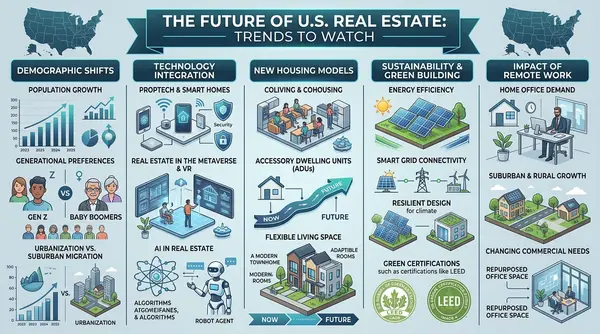
The U.S. housing market is entering a period where moderate growth, regional differences and affordability are likely to define the conversation.
Some markets may continue appreciating.
Others may remain relatively flat.
Some may experience corrections.
But the national market is unlikely to behave exactly as it did during the extraordinary housing boom of the early 2020s.
Buyers have become more selective.
Sellers have become more strategic.
Builders are adding supply.
And mortgage rates continue to influence the entire equation.
Final Thoughts
If you are waiting for home prices to become dramatically cheaper, it is important to remember that affordability depends on more than price.
A lower home price combined with a high mortgage rate may still result in a substantial monthly payment.
Likewise, a higher-priced home with better financing and strong long-term fundamentals may sometimes make more financial sense.
The goal should not be to predict the exact bottom or top of the market.
The goal should be to make a decision that fits your financial situation and long-term plans.
At Onest Real Estate, we believe the strongest real estate decisions come from understanding the market, evaluating the numbers and thinking beyond today's headline.
Whether you are buying, selling or simply watching the market, 2026 is a year to focus on fundamentals.
Because the future of U.S. real estate will not be determined by one statistic.
It will be shaped by millions of individual decisions made by buyers, sellers, homeowners, builders and investors across the country.
Categories
Recent Posts