The Future of Homeownership in America: How U.S. Buyers Are Changing in 2026

The American dream of homeownership is changing.
For generations, buying a home has been viewed as one of the most important financial milestones in life. A traditional path often looked simple: finish school, establish a career, get married, buy a single-family home and gradually build wealth through homeownership.
But today's buyers are entering a very different housing market.
Home prices are elevated in many communities. Mortgage payments are larger than they were a few years ago. Insurance and property taxes can add significant costs. At the same time, younger buyers are entering the market with different expectations about location, lifestyle, work and the type of home they actually need.
As we move through 2026 and toward 2027, these changes are reshaping what homeownership looks like in America.
The future of real estate may not be about everyone owning the biggest possible house.
Instead, it may be about finding a home that fits a household's finances, lifestyle and long-term goals.
The Traditional American Home Is Changing
For decades, the detached suburban house was considered the standard.
A large kitchen.
Multiple bedrooms.
A private yard.
A garage.
A long commute to work.
That model still appeals to millions of Americans.
But it is no longer the only version of the American dream.
Today's buyers are increasingly considering:
-
Townhomes
-
Condominiums
-
Smaller single-family homes
-
Multifamily properties
-
Urban residences
-
Suburban communities
-
Homes near public transportation
-
Properties designed for remote or hybrid work
The shift is partly driven by affordability.
But it is also driven by changing lifestyles.
Affordability Is Redefining What Buyers Want
The biggest factor influencing homeownership today is affordability.
When mortgage payments rise, buyers naturally reconsider how much house they actually need.
Instead of purchasing a large property at the edge of their budget, some buyers are choosing smaller homes that allow them to maintain financial flexibility.
This can mean giving up square footage in exchange for:
-
A better location
-
Lower monthly payments
-
Shorter commutes
-
Better amenities
-
Less maintenance
-
More financial flexibility
The definition of a "good home" is becoming more personal.
Monthly Payment Is Becoming More Important Than Purchase Price
In previous housing cycles, buyers often focused heavily on the purchase price.
Today, the monthly cost is becoming increasingly important.
A home advertised at a certain price can have a significantly different financial impact depending on:
-
Mortgage rate
-
Down payment
-
Property taxes
-
Insurance
-
HOA fees
-
Maintenance costs
Two homes with similar purchase prices can therefore have very different monthly costs.
Smart buyers are increasingly looking beyond the listing price.
First-Time Buyers Are Taking a Different Approach
First-time buyers face some of the biggest affordability challenges.
Without equity from a previous home, they have to build their purchasing power through income and savings.
Many are responding by changing their expectations.
Some are buying smaller properties.
Others are looking at different neighborhoods.
Some are choosing condos or townhomes.
Others are delaying their purchase until they have stronger savings.
This does not mean younger generations do not want to own homes.
It means they may approach ownership differently.
Smaller Homes Could Become More Popular
The concept of "right-sizing" is becoming increasingly relevant.
A smaller home can provide several advantages:
-
Lower purchase price
-
Lower utility costs
-
Less maintenance
-
Lower property taxes in some cases
-
Easier upkeep
-
Potentially greater affordability
For households that do not need five bedrooms and a large yard, a smaller property can be financially attractive.
This could support continued demand for efficient homes.
Townhomes Could Play a Bigger Role
Townhomes occupy an interesting position between detached houses and condos.
They can provide:
-
More space than many condos
-
Lower maintenance than detached homes
-
Access to desirable neighborhoods
-
Shared amenities
-
Potentially lower purchase prices than comparable detached properties
As buyers search for affordability without completely giving up space, townhomes could become increasingly important.
Condominiums May Regain Attention
Condos have faced challenges in certain markets, particularly where HOA costs, insurance concerns or building maintenance issues have affected buyer confidence.
However, condos remain an important form of housing.
They can offer access to locations where detached homes are prohibitively expensive.
For buyers who prioritize location over lot size, a condo can be a practical path to ownership.
But buyers should carefully review:
-
HOA fees
-
Reserve funds
-
Association rules
-
Insurance coverage
-
Building maintenance
-
Special assessments
-
Association financial health
Location Is Becoming More Valuable
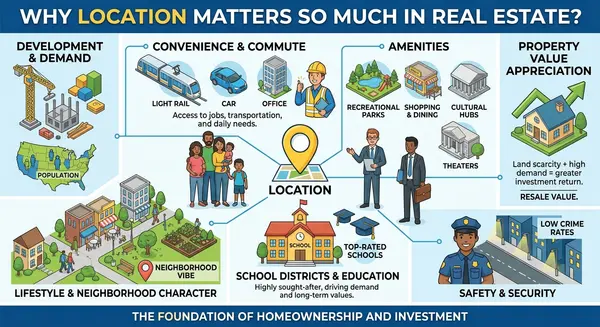
As housing becomes more expensive, location can become even more important.
A smaller home in a highly desirable location may be more attractive than a larger home far away from employment and amenities.
Buyers are increasingly evaluating the total lifestyle cost.
A cheaper house that requires a long commute may not actually be cheaper once fuel, transportation and time are considered.
Remote Work Changed Housing Preferences
Remote and hybrid work have permanently influenced the way many Americans think about housing.
The home is no longer only a place to sleep.
For many households, it is also:
-
An office
-
A classroom
-
A workout space
-
A business environment
-
A place for entertainment
This has increased the value of flexible rooms and adaptable floor plans.
Even as some workers return to offices, hybrid work remains important in many industries.
The Home Office Is Becoming a Standard Feature
A dedicated home office was once considered a luxury.
Today, many buyers actively look for one.
But a home office does not necessarily require an additional bedroom.
A flexible room, loft, basement or well-designed corner can serve the purpose.
Builders are responding by creating floor plans that allow rooms to serve multiple functions.
Technology Will Continue Changing Homes
Technology is becoming increasingly integrated into residential properties.
Smart home features can include:
-
Connected thermostats
-
Smart locks
-
Security cameras
-
Automated lighting
-
Energy monitoring
-
Smart appliances
-
Connected garage systems
As these technologies become more affordable, they are likely to become increasingly common.
However, technology should support the home rather than unnecessarily increase its cost.
Energy Efficiency Will Matter More
Energy efficiency is another trend likely to influence future housing demand.
Buyers are paying greater attention to operating costs.
Features such as:
-
Better insulation
-
Energy-efficient windows
-
Modern HVAC systems
-
Efficient appliances
-
Solar systems
-
Smart energy controls
can potentially reduce long-term energy consumption.
As utility costs remain an important household expense, efficient homes may become increasingly attractive.
Insurance Is Becoming Part of the Home-Buying Conversation
Homeowners insurance has become a major consideration in many parts of the United States.
Insurance costs can vary significantly depending on:
-
Location
-
Weather exposure
-
Property age
-
Construction type
-
Coverage
-
Local insurance market conditions
A home that looks affordable based on its mortgage payment may become considerably more expensive after insurance is included.
Buyers should therefore investigate insurance costs before finalizing a purchase.
Property Taxes Matter Too
Property taxes are another recurring cost that can materially affect affordability.
Two homes with the same purchase price can have very different monthly expenses depending on local tax rates.
Buyers should calculate the complete housing cost before deciding how much they can afford.
The Rise of Multigenerational Housing
Another trend worth watching is multigenerational living.
More households may choose to live together because of:
-
Housing costs
-
Childcare needs
-
Aging parents
-
Family support
-
Cultural preferences
-
Financial efficiency
This can increase demand for homes with flexible layouts.
Features such as first-floor bedrooms, multiple living spaces and additional bathrooms can become especially valuable.
Aging Buyers Will Influence Housing Demand
America's population is aging.
That creates demand for housing that supports aging in place.
Features such as:
-
Single-level living
-
Wider doorways
-
Accessible bathrooms
-
Minimal stairs
-
Convenient transportation
can become increasingly important.
Some older homeowners may also choose to downsize.
That could increase the supply of larger family homes while increasing demand for smaller, accessible properties.
Millennials Are Becoming a Major Home-Buying Force
Millennials represent a large generation of potential homeowners.
Many are now in their prime household-forming and wealth-building years.
Their purchasing decisions will have a significant influence on the market.
But affordability challenges mean they may not follow the same homeownership path as previous generations.
Some will prioritize location.
Others will prioritize affordability.
Many may wait longer before purchasing.
Their preferences will help shape housing development over the next decade.
Generation Z Will Eventually Change the Market Too
The next generation of buyers is also beginning to enter adulthood.
Their housing preferences are still developing.
However, growing up in a digital environment may influence expectations around:
-
Smart-home technology
-
Flexible workspaces
-
Digital transactions
-
Online property research
-
Energy efficiency
Real estate companies will increasingly need to meet consumers where they are: online.
Digital Home Buying Is Becoming Normal
Technology has transformed the home search.
Buyers can now:
-
Search listings online
-
View virtual tours
-
Compare properties
-
Research neighborhoods
-
Estimate payments
-
Communicate with agents
-
Sign documents electronically
The process is becoming more convenient.
However, technology does not replace professional guidance.
Buying a home remains a complicated financial and legal transaction.
Artificial Intelligence Could Change Real Estate
Artificial intelligence is beginning to influence real estate marketing, property analysis and customer service.
AI tools can help analyze large amounts of data, automate communication and improve property recommendations.
But technology should support human decision-making rather than replace it.
Real estate remains deeply personal.
Buyers need someone who understands their priorities, concerns and local market.
Buyers Want More Transparency
Today's consumers have access to more information than ever.
They can research:
-
Property history
-
Comparable sales
-
Neighborhood information
-
Taxes
-
Reviews
-
Market trends
That means real estate professionals need to provide value beyond simply opening doors.
Good advice increasingly means helping clients interpret information.
The Role of the Real Estate Professional Is Evolving
The modern real estate professional is becoming more of an advisor.
Buyers want help understanding:
-
Market conditions
-
Financing
-
Negotiation
-
Property value
-
Neighborhood trends
-
Long-term considerations
Sellers need:
-
Accurate pricing
-
Marketing
-
Positioning
-
Negotiation
-
Transaction management
Technology can provide information.
Experience provides context.
The Future Could Be More Buyer-Centric
As inventory improves in many markets, buyers may gain more choices.
This could shift the emphasis from urgency to value.
Instead of asking:
"How quickly can I get this home?"
buyers may increasingly ask:
"Is this actually the right home for me?"
That is a healthier question.
Sellers Will Need to Earn Buyer Attention
When buyers have more choices, sellers have to compete.
The future seller may need to pay more attention to:
-
Presentation
-
Pricing
-
Repairs
-
Photography
-
Marketing
-
Flexibility
A property that does not stand out can remain on the market longer.
Housing Will Become More Flexible
The future of homeownership is unlikely to revolve around one standard home design.
Instead, we may see greater demand for adaptable spaces.
A room may serve as:
-
Office today
-
Nursery tomorrow
-
Guest room later
-
Retirement space eventually
Flexible design allows a property to adapt as household needs change.
The Importance of Community Will Increase
People do not buy houses in isolation.
They buy into communities.
Access to:
-
Parks
-
Schools
-
Restaurants
-
Retail
-
Transportation
-
Healthcare
-
Recreation
can strongly influence housing decisions.
As remote and hybrid work change where people spend their time, community amenities may become even more important.
Walkability Could Gain More Attention
Walkable neighborhoods can offer a different lifestyle from car-dependent communities.
Being able to walk to restaurants, shops, parks or public transportation can reduce transportation needs and increase convenience.
As younger buyers and older households prioritize accessibility, walkability could become an increasingly valuable housing characteristic.
Suburban Areas Are Evolving
Suburban communities are changing too.
Many suburbs are developing more mixed-use environments with:
-
Restaurants
-
Retail
-
Offices
-
Parks
-
Apartments
-
Townhomes
This creates more diverse housing options.
The future suburb may look less like a collection of isolated subdivisions and more like a connected community.
Housing Affordability Will Remain the Biggest Challenge
Despite all these changes, one issue will remain central:
Can Americans afford to buy homes?
Solving affordability requires more than lower mortgage rates.
It involves:
-
Housing supply
-
Construction costs
-
Land prices
-
Household incomes
-
Interest rates
-
Property taxes
-
Insurance
-
Local regulations
No single policy or market change can solve every part of the problem.
More Housing Supply Will Be Essential
If demand continues growing, the country needs additional homes.
That includes housing at multiple price points.
Building only luxury properties will not solve the affordability problem.
Communities need:
-
Starter homes
-
Townhomes
-
Condos
-
Apartments
-
Workforce housing
-
Family homes
-
Senior housing
A diverse housing supply provides more opportunities for different households.
The Future May Be About Financial Flexibility
The next generation of homeowners may place greater value on financial flexibility.
Rather than spending the maximum amount a lender approves, buyers may choose to keep room in their budgets for:
-
Travel
-
Education
-
Investments
-
Retirement
-
Family
-
Emergency savings
This could change the way Americans think about the ideal home.
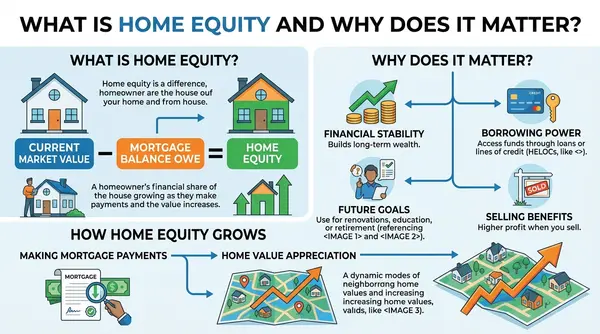
Homeownership Will Still Matter
Despite affordability challenges, homeownership is unlikely to lose its importance.
A home can provide:
-
Stability
-
Personal control
-
Potential equity growth
-
Long-term wealth-building opportunities
-
A sense of community
But the path to ownership may become less standardized.
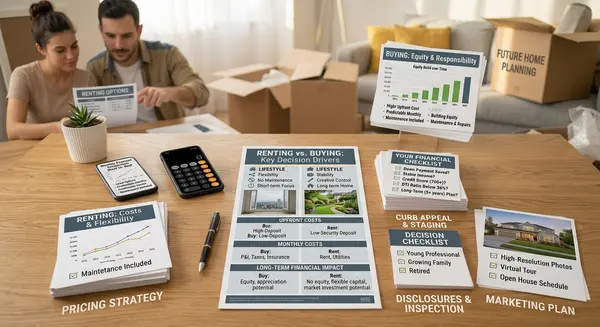
Renting and Owning Will Continue to Coexist
Not everyone needs to own a home immediately.
Renting can make sense for people who:
-
Expect to move soon
-
Are building savings
-
Have uncertain employment
-
Want flexibility
-
Are not ready for ownership responsibilities
The decision should be based on individual circumstances rather than social pressure.
The 2026–2027 Outlook
The housing market is likely to continue evolving.
Mortgage rates will influence affordability.
Inventory will determine buyer choice.
New construction will add supply.
Technology will change how people search and transact.
Demographic changes will influence housing demand.
And affordability will remain one of the industry's biggest challenges.
The result will not be one single national housing trend.
Different communities will move in different directions.
What Buyers Should Do
If you are planning to purchase in the next year or two, preparation is more important than prediction.
Start by:
-
Understanding your budget.
-
Improving your financial position.
-
Researching neighborhoods.
-
Monitoring inventory.
-
Understanding mortgage options.
-
Comparing property types.
-
Considering long-term needs.
The more prepared you are, the easier it becomes to recognize the right opportunity.
What Sellers Should Do
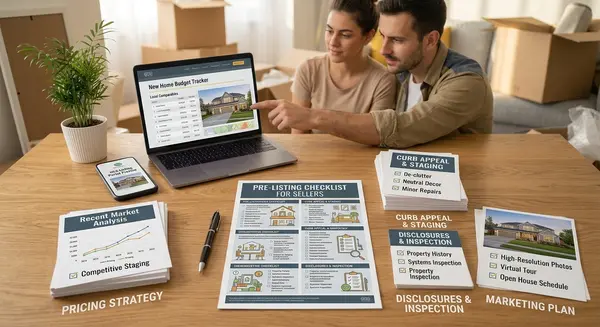
Potential sellers should also prepare for a more selective buyer.
Consider:
-
Your home's current market position
-
Competing properties
-
Necessary repairs
-
Presentation
-
Pricing
-
Marketing strategy
The future market may reward sellers who understand what buyers actually value.
Final Thoughts
The future of American homeownership is not disappearing.
It is evolving.
The traditional large suburban house will remain popular, but it will increasingly exist alongside townhomes, condos, smaller homes, flexible housing and communities designed around changing lifestyles.
Buyers are becoming more thoughtful about affordability.
Technology is making the search process easier.
Energy efficiency is becoming more important.
Insurance and property taxes are playing a larger role in affordability.
And local market conditions are becoming increasingly important.
The biggest change may be that there is no longer one definition of the American dream.
For one buyer, it may be a suburban family home.
For another, it may be a townhome close to work.
For someone else, it may be a condo in a walkable neighborhood.
The right home is ultimately the one that fits the life you want to build.
At Onest Real Estate, we believe the future of real estate is not simply about buying more house.
It is about making smarter housing decisions—ones that balance affordability, lifestyle, location and long-term goals.
As the market continues to evolve through 2026 and beyond, being informed and prepared can make all the difference.
Categories
Recent Posts