How to Invest in US Real Estate in 2026: The Complete Guide for Buyers

If you've been sitting on the sidelines waiting for "the right time" to buy your first investment property, here's the uncomfortable truth: there's no perfect moment, but 2026 is shaping up to be one of the more rational years for investors in a while. Rates have stopped their wild swings, rents are still climbing in plenty of markets, and the panic-buying of the last few years has cooled off — which means less competition and more room to actually run the numbers before you make an offer.
This guide walks you through exactly what's happening in the market right now, how to structure your first (or next) deal, where the smart money is looking, and the mistakes that trip up almost every new investor. By the end, you'll have a clear roadmap — and if you want help putting it into action, that's exactly what our team does every day.
Why 2026 Is a Different Kind of Year for Investors
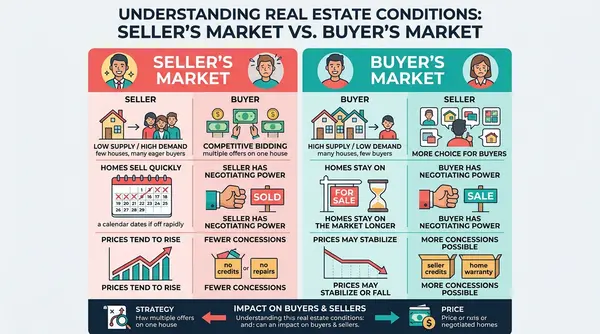
For the past few years, real estate investing felt like trying to hit a moving target. Rates spiked, prices wobbled, and everyone was guessing what the Fed would do next. That's settling down. Industry leaders surveyed for the 2026 Emerging Trends in Real Estate report — one of the most closely watched outlooks in the industry — gave real estate buying conditions their strongest rating in two decades, even with ongoing concerns about interest rates and inflation.
That doesn't mean it's a free-for-all. Borrowing is still expensive by historical standards, and rate relief has been slower than many hoped. But that's actually working in disciplined investors' favor: when debt is costly, speculative buyers drop out, competition eases, and properties that actually cash flow become easier to find and negotiate.
The Market Snapshot: What's Actually Happening Right Now
Here's where things stand heading into the second half of 2026:
- Mortgage rates: As of late June 2026, the average 30-year fixed rate sits in the high 6% range for owner-occupied loans, with investment property loans typically running about 0.5–1 percentage point higher — commonly landing in the 7% to 7.6% range depending on the lender, down payment, and credit profile.
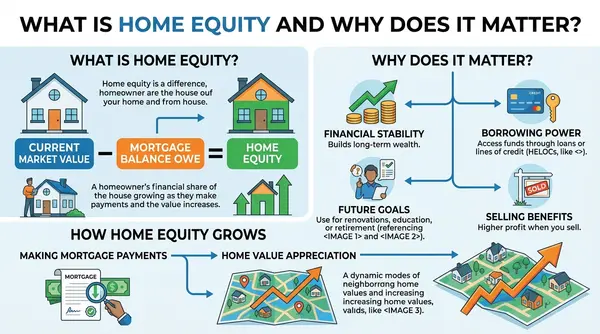
- Home prices: Median existing-home prices have largely plateaued compared to the volatility of recent years, giving investors a more stable baseline to underwrite deals against.
- Investor sentiment: Commercial and institutional investors are actively redeploying capital, with national transaction volume up sharply year-over-year in early 2026 as financing conditions loosen and bid-ask spreads narrow.
- Rental demand: With homeownership still out of reach for a large share of would-be buyers, rental demand remains strong — which is the engine behind buy-and-hold cash flow strategies.
The takeaway: rates aren't falling fast, so the investors winning right now are the ones prioritizing cash flow over speculation, not the ones waiting for a 2021-style rate environment to come back.
Step-by-Step: How to Start Investing in US Real Estate
1. Get clear on your strategy before you look at a single property
"I want to invest in real estate" isn't a strategy — it's a feeling. Are you after monthly cash flow? Long-term appreciation? A short-term rental income stream? House hacking your way into your first deal? Each goal points to a different property type, location, and financing structure, so nail this down first.
2. Get pre-approved and know your real numbers
Talk to a lender that specifically handles investment property loans — not every lender does this well. Ask about:
- Conventional investment property loans (typically 15–25% down)
- DSCR loans (qualify based on the property's rental income rather than your personal income — useful for self-employed investors or those scaling a portfolio)
- Your debt-to-income ratio and how much room you actually have
3. Pick your market — don't just default to your backyard
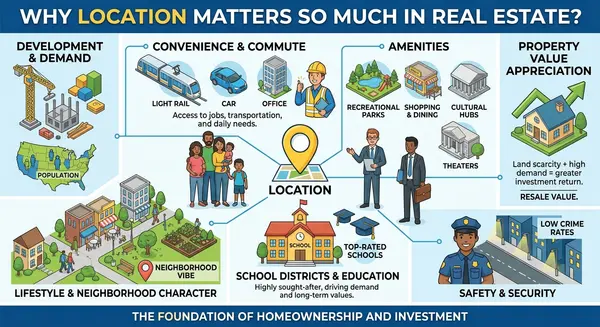
Your home city might not be your best investment city. Look at the rent-to-price ratio, job and population growth, landlord-friendliness, and insurance costs in any market you're considering (more on specific markets below).
4. Run the numbers before you fall in love with a property
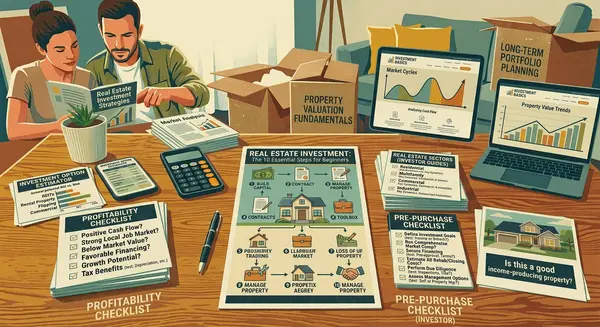
At minimum, calculate:
- Cap rate (net operating income ÷ purchase price)
- Cash-on-cash return (annual cash flow ÷ cash invested)
- Rent-to-price ratio A property that "feels" right but doesn't cash flow on paper is a hobby, not an investment.
5. Build your team
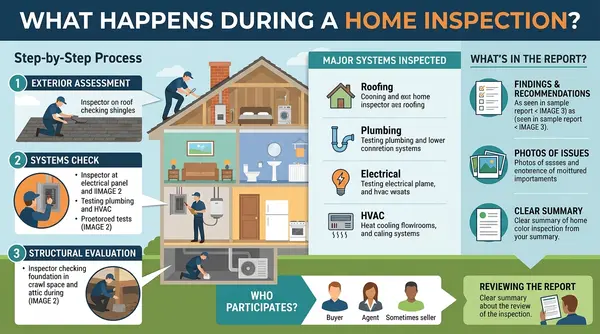
A great investor-friendly agent, a lender who actually closes investment loans on time, a property manager (if you're buying remotely), and an inspector who understands rental properties — get these lined up before you're under contract, not during.
6. Make the offer, close, and get it rent-ready
Once you close, get the property leased quickly. Every vacant month is a direct hit to your annual return.
Where Investors Are Looking in 2026
Different strategies point to different cities, so it's worth separating the two camps:
For cash flow and turnkey rental investing, markets in the Midwest and Northeast are drawing increasing attention because home prices haven't outpaced rents the way they have in many Sun Belt markets. Cities like Indianapolis and Cleveland are frequently highlighted for stronger rent-to-price ratios, while Columbus and Minneapolis stand out for diversified job bases that hold up well across economic cycles.
For appreciation and broader investment activity, the 2026 Emerging Trends survey of more than 1,700 real estate professionals ranks Dallas-Fort Worth at the top of U.S. markets to watch for the second year running, with Jersey City, Miami, Brooklyn, Houston, and Nashville rounding out the top tier. Within the Southeast, Miami continues to draw strong investor interest, while Tampa-St. Petersburg and Raleigh-Durham are seeing increasing favor for apartment acquisitions specifically.
For short-term rental investors, 2026 is shaping up as a recovery year as mortgage rate stabilization brings demand back; Las Vegas in particular is projected to lead the nation in revenue-per-available-room growth this year.
No single "best city" exists — the right market depends entirely on your strategy, budget, and risk tolerance. This is exactly the kind of analysis worth doing with a local expert before you commit capital to a market you've never set foot in.
Financing Your Investment Property
A few financing realities every investor should walk in knowing:
- Expect a rate premium. Investment property rates typically run 0.5 to 1 percentage point above primary-residence rates, since lenders view rental properties as higher risk.
- Down payments are higher. Most conventional investment loans require 15–25% down, compared to as little as 3–5% for an owner-occupied home.
- DSCR loans have gotten more competitive. Rates on these income-based loans, which peaked above 9% in 2023, have come down meaningfully and now commonly fall in the high-6% to mid-7% range, with room to refinance lower if rates continue easing.
- Shop multiple lenders. Rate and fee spreads between lenders on investment loans can be wide — getting at least three quotes is one of the simplest ways to improve your return before you've even closed.
The Tax Side: What Investors Should Know (and Ask a Pro About)
Real estate investing comes with real tax advantages, but the details are genuinely personal to your situation, so treat this as a starting point for a conversation with a CPA or tax attorney — not a substitute for one.
In broad terms, investors can typically benefit from:
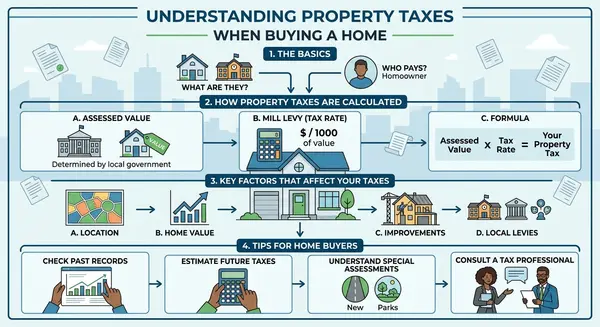
- Depreciation, which lets you deduct a portion of the property's value each year as a paper loss, even while the property may be appreciating in actual market value
- Mortgage interest, property tax, and operating expense deductions
- 1031 exchanges, which can allow investors to defer capital gains tax when selling one investment property and rolling the proceeds into another
These strategies are powerful but have strict rules and timelines attached, and tax policy can shift from year to year — always confirm current rules with a qualified professional before relying on them.
Mistakes That Trip Up First-Time Investors
- Underestimating expenses. Vacancy, maintenance, property management, and capital expenditures eat into returns far more than first-time investors expect.
- Buying on emotion instead of numbers. A property you'd love to live in isn't the same as a property that performs as a rental.
- Skipping the insurance check. In several high-growth markets, rising insurance premiums have quietly wrecked otherwise solid deals — always get a real quote before closing, not an estimate.
- Going it alone in an unfamiliar market. Buying remotely without local representation is one of the fastest ways to overpay or miss red flags a local agent would catch immediately.
- Waiting for "perfect" rates. Many experienced investors describe their approach as buying the right property now and refinancing later if rates drop — rather than waiting indefinitely for conditions that may not arrive on schedule.
Frequently Asked Questions
Is 2026 a good year to start investing in real estate?
For cash-flow-focused buy-and-hold investors, yes — rental demand is strong, price growth has stabilized, and competition from speculative buyers has eased. It's less ideal for investors counting on fast appreciation alone.
How much money do I need to start investing in real estate?
Most conventional investment property loans require 15–25% down, plus closing costs and reserves for repairs and vacancy. Many investors target having 6 months of expenses in reserve per property.
What's a DSCR loan, and do I need one?
A DSCR (debt service coverage ratio) loan qualifies you based on the property's rental income rather than your personal W-2 income. It's especially useful for self-employed investors or anyone scaling beyond a few properties.
Should I invest in my local market or out of state?
It depends on whether your local market supports your strategy. Many investors successfully buy out-of-state in higher cash-flow markets, but this requires a reliable local team — agent, property manager, and lender — to manage the property well from a distance.
Ready to Make Your Move?
Markets shift, rates fluctuate, and the "best" deal today might not exist in three months — which is exactly why having a team that watches these markets daily matters. Whether you're buying your first rental property or adding to an existing portfolio, our team can help you identify the right market, run real numbers on real listings, and move quickly when the right deal shows up.
Browse our current investment-ready listings to see what's available right now.
This article is for general informational purposes only and does not constitute financial, legal, or tax advice. Always consult a licensed financial advisor, attorney, or tax professional before making investment decisions.
Categories
Recent Posts