First-Time Home Buyer's Checklist: Everything You Need Before Buying Your First Home (2026)

Buying your first home is exciting, but it can also feel overwhelming. Between saving for a down payment, understanding mortgage options, finding the right neighborhood, and navigating inspections and closing costs, there are many moving parts. Having a clear checklist helps you stay organized, avoid expensive mistakes, and make informed decisions.
This comprehensive first-time home buyer checklist walks you through every stage of the home-buying journey—from preparing your finances to moving into your new home.
Table of Contents
- Why You Need a Home Buying Checklist
- Review Your Financial Health
- Set a Realistic Budget
- Improve Your Credit Score
- Save for Your Down Payment
- Build an Emergency Fund
- Get Mortgage Pre-Approval
- Hire a Real Estate Agent
- Start House Hunting
- Make a Smart Offer
- Schedule a Home Inspection
- Complete the Appraisal
- Finalize Your Mortgage
- Prepare for Closing Day
- Move Into Your New Home
- First-Time Buyer Mistakes to Avoid
- Frequently Asked Questions
- Final Thoughts
Why You Need a Home Buying Checklist
Buying a home involves dozens of financial and legal steps. A checklist helps you:
- Stay organized throughout the process
- Keep track of deadlines
- Prepare required documents
- Avoid missing important steps
- Reduce stress
- Save money
- Feel more confident when making decisions
Instead of rushing into a purchase, following a structured plan allows you to buy a home that fits your lifestyle and budget.
Step 1: Review Your Financial Health
Before browsing listings, evaluate your financial situation.
Ask yourself:
- How much do I earn each month?
- How much debt do I currently have?
- How much have I saved?
- Can I comfortably afford monthly mortgage payments?
- Do I have an emergency fund?
Your lender will evaluate your debt-to-income ratio, so reducing unnecessary debt before applying for a mortgage can improve your chances of approval.
Step 2: Set a Realistic Home Buying Budget
Many first-time buyers focus only on the purchase price, but homeownership includes additional expenses.
Your budget should account for:
- Mortgage payment
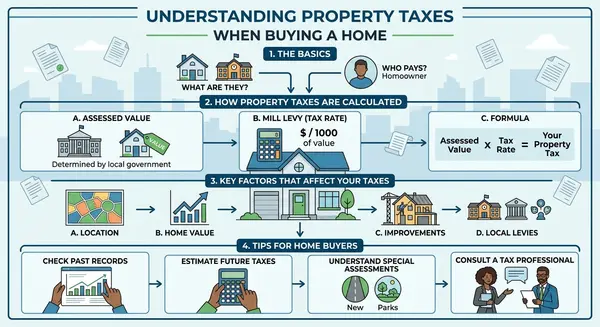
- Property taxes
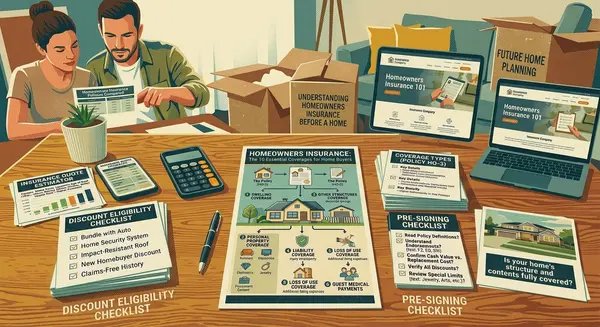
- Homeowners insurance
- HOA fees (if applicable)
- Utilities
- Maintenance and repairs
- Landscaping
- Furniture and appliances
Choose a monthly payment you can comfortably manage without sacrificing your financial stability.
Step 3: Improve Your Credit Score
Your credit score affects:
- Mortgage approval
- Interest rates
- Loan options
- Monthly payments
A higher credit score can save you thousands of dollars over the life of your loan.
To improve your score:
- Pay bills on time
- Lower credit card balances
- Avoid opening new credit accounts
- Review your credit report for errors
- Keep older accounts active
Even a small improvement in your credit score can lead to better loan terms.
Step 4: Save for Your Down Payment
A common myth is that buyers must put down 20%. In reality, many loan programs allow lower down payments.
Possible options include:
- Conventional loans: 3% minimum
- FHA loans: 3.5%
- VA loans: 0% (for eligible veterans)
- USDA loans: 0% (for qualifying rural properties)
Besides the down payment, save for:
- Closing costs
- Inspection fees
- Moving expenses
- Utility deposits
- Immediate home repairs
Planning ahead prevents unexpected financial stress.
Step 5: Build an Emergency Fund
Buying a home doesn't eliminate unexpected expenses.
After moving in, you may face:
- Plumbing repairs
- Roof maintenance
- HVAC repairs
- Appliance replacements
- Electrical issues
Financial experts recommend keeping three to six months of living expenses in an emergency fund after purchasing a home.
Step 6: Get Pre-Approved for a Mortgage
Mortgage pre-approval helps you understand how much you can borrow and demonstrates to sellers that you're a serious buyer.
You'll typically need:
- Government-issued ID
- Recent pay stubs
- W-2s or tax returns
- Bank statements
- Employment verification
- Credit information
Compare offers from several lenders to find the most competitive interest rates and loan terms.
Step 7: Hire a Trusted Real Estate Agent
An experienced real estate agent provides valuable guidance throughout the buying process.
They can help you:
- Find homes that match your needs
- Schedule showings
- Negotiate offers
- Explain contracts
- Coordinate inspections
- Manage deadlines
- Navigate closing
Choose an agent with strong local market knowledge, positive client reviews, and excellent communication skills.
Step 8: Create Your Home Wish List
Separate your priorities into two categories.
Must-Have Features
- Safe neighborhood
- Affordable price
- Number of bedrooms
- Number of bathrooms
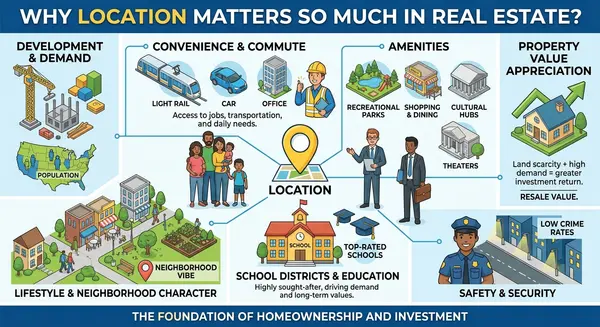
- Good school district
- Parking or garage
- Functional layout
Nice-to-Have Features
- Swimming pool
- Home office
- Large backyard
- Updated kitchen
- Walk-in closets
- Finished basement
- Smart home features
Knowing your priorities helps you make objective decisions during house hunting.
Step 9: Visit Multiple Homes
Avoid buying the first house you see.
While touring homes:
- Check for visible damage
- Test water pressure
- Inspect windows and doors
- Look for signs of water leaks
- Evaluate storage space
- Assess natural lighting
- Explore the surrounding neighborhood
Take notes and photos so you can compare properties later.
Step 10: Make a Competitive Offer
When you find the right home, work with your agent to prepare a strong offer.
Include:
- Purchase price
- Earnest money deposit
- Financing details
- Inspection contingency
- Appraisal contingency
- Proposed closing date
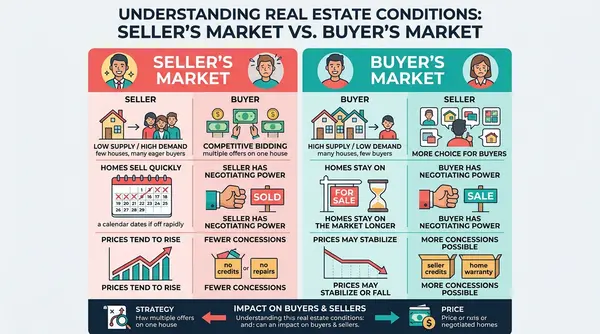
In competitive markets, sellers may receive multiple offers, so a well-prepared offer can make a significant difference.
Step 11: Schedule a Professional Home Inspection
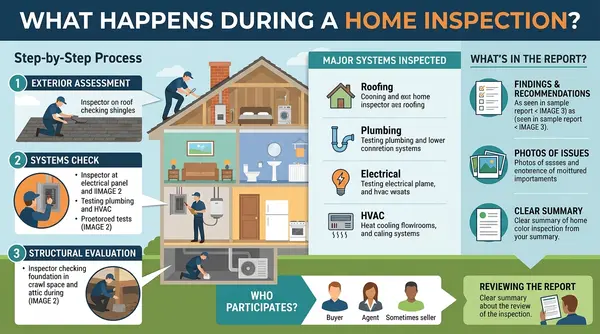
A home inspection identifies potential issues before you finalize the purchase.
Inspectors typically examine:
- Roof
- Foundation
- Plumbing
- Electrical systems
- HVAC
- Insulation
- Windows
- Doors
- Appliances
If major issues are discovered, you may negotiate repairs or request a price adjustment.
Step 12: Complete the Home Appraisal
If you're financing your purchase, your lender will require an appraisal to confirm the home's market value.
If the appraised value is lower than the purchase price, you may need to:
- Renegotiate with the seller
- Increase your down payment
- Challenge the appraisal
- Walk away if your contract allows
Step 13: Finalize Your Mortgage
Before closing, your lender will complete the final approval process.
Avoid:
- Opening new credit cards
- Financing a vehicle
- Making large purchases
- Changing jobs without informing your lender
Major financial changes can delay or even jeopardize your mortgage approval.
Step 14: Prepare for Closing Day
Before closing:
✔ Review your Closing Disclosure.
✔ Purchase homeowners insurance.
✔ Schedule utility transfers.
✔ Conduct a final walkthrough of the property.
✔ Bring valid identification.
✔ Arrange certified funds or a wire transfer if required.
After signing all documents and completing the transaction, you'll receive the keys to your new home.
Step 15: Plan Your Move
Once closing is complete:
- Hire movers or rent a moving truck
- Update your mailing address
- Change locks
- Test smoke and carbon monoxide detectors
- Deep clean the home
- Set up internet and utilities
- Meet your neighbors
Planning ahead makes moving day much less stressful.
Common First-Time Home Buyer Mistakes
Avoid these common mistakes:
- Shopping before getting pre-approved
- Ignoring additional ownership costs
- Buying more house than you can afford
- Skipping the home inspection
- Choosing a lender based only on the interest rate
- Forgetting to budget for maintenance
- Making emotional decisions
- Not comparing multiple properties
- Draining your savings for the down payment
- Failing to read contracts carefully
Frequently Asked Questions
How much money should a first-time home buyer save?
In addition to the down payment, you should save enough for closing costs, moving expenses, and an emergency fund for unexpected repairs.
Is mortgage pre-approval required?
While not legally required, pre-approval strengthens your offer and helps you understand your budget before house hunting.
How long does it take to buy a home?
Most purchases take between 30 and 60 days after an offer is accepted, depending on financing, inspections, and other factors.
Should I buy a fixer-upper as my first home?
It depends on your budget, renovation experience, and willingness to invest time and money into repairs. Carefully estimate renovation costs before making a decision.
Final Thoughts
Buying your first home is a significant milestone, and preparation is the key to success. By following this checklist, you'll be better equipped to navigate each stage of the process with confidence. From budgeting and mortgage pre-approval to inspections and closing, every step helps you make a smarter investment and avoid common pitfalls.
Ready to Buy Your First Home?
Whether you're just starting your search or you're ready to make an offer, our experienced real estate professionals are here to help. Contact us today for expert guidance, personalized home recommendations, and support throughout every stage of your home-buying journey.
Categories
Recent Posts