Buying a House in the USA: The Complete Step-by-Step Guide (2026)

Buying a home is one of the biggest financial decisions you'll ever make. Whether you're a first-time buyer, relocating to a new city, or purchasing your dream home, understanding the home-buying process can help you avoid costly mistakes and make confident decisions.
The U.S. real estate market offers a wide range of opportunities, but buying a house involves much more than simply finding a property you like. From setting your budget and getting pre-approved for a mortgage to negotiating the purchase price and closing the deal, every step plays an important role.
This comprehensive guide explains everything you need to know about buying a house in the USA, helping you navigate the process with confidence.
Table of Contents
- Why Buy a Home in the USA?
- Determine Your Budget
- Check Your Credit Score
- Save for Your Down Payment
- Get Mortgage Pre-Approval
- Find the Right Real Estate Agent
- Start House Hunting
- Make an Offer
- Home Inspection
- Home Appraisal
- Secure Your Mortgage
- Closing Process
- Moving Into Your New Home
- Common Home Buying Mistakes
- Frequently Asked Questions
- Final Thoughts
Why Buy a Home in the USA?
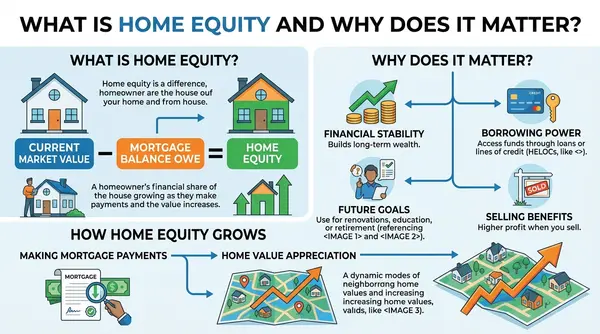
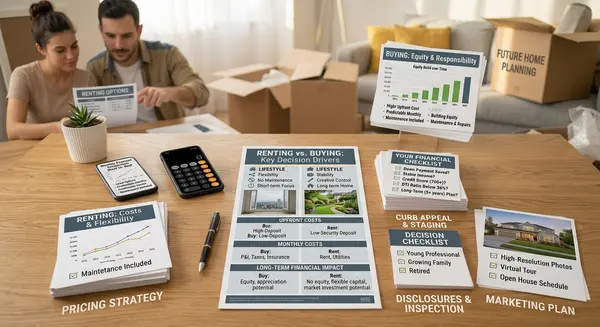
Owning a home provides financial stability, long-term wealth building, and the freedom to personalize your living space. Unlike renting, every mortgage payment helps build equity in your property.
Some of the biggest advantages include:
- Building long-term wealth
- Stable monthly housing costs
- Potential tax benefits
- Property value appreciation
- Greater privacy
- Freedom to renovate
- Investment opportunity for future resale
Many buyers also view real estate as one of the safest long-term investments because property values generally appreciate over time.
Step 1: Determine Your Budget
Before searching for homes, determine exactly how much you can comfortably afford.
Consider:
- Monthly income
- Existing debt
- Savings
- Emergency fund
- Future expenses
- Lifestyle costs
Financial experts generally recommend spending no more than 28% of your gross monthly income on housing expenses.
Don't forget additional costs such as:
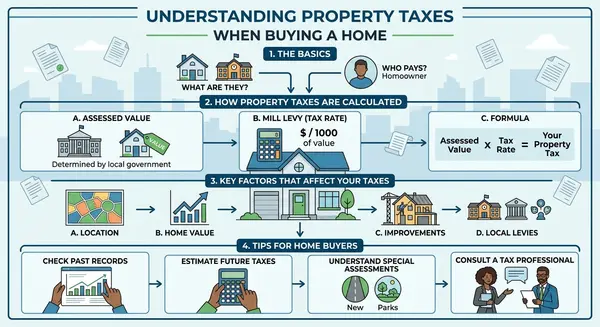
- Property taxes
- Homeowners insurance
- HOA fees
- Utilities
- Maintenance
- Repairs
Understanding your true budget prevents financial stress later.
Step 2: Check Your Credit Score
Your credit score significantly impacts the mortgage interest rate you'll receive.
Generally:
- 760+ = Excellent
- 700–759 = Very Good
- 680–699 = Good
- 620–679 = Fair
- Below 620 = Limited loan options
Improving your credit before applying for a mortgage can save thousands of dollars over the life of your loan.
Ways to improve your score:
- Pay bills on time
- Reduce credit card balances
- Avoid opening new credit accounts
- Correct errors on your credit report
- Keep older accounts open
Step 3: Save for Your Down Payment
One of the biggest misconceptions is that you need a 20% down payment.
In reality, many loan programs allow much lower down payments.
Examples include:
- Conventional loans: as low as 3%
- FHA loans: 3.5%
- VA loans: 0% for eligible veterans
- USDA loans: 0% in eligible rural areas
Besides the down payment, you'll also need money for:
- Closing costs
- Inspection fees
- Moving expenses
- Initial repairs
- Furniture and appliances
Planning ahead makes the buying process much smoother.
Step 4: Get Pre-Approved for a Mortgage
Mortgage pre-approval shows sellers you're a serious buyer.
During pre-approval, lenders review:
- Income
- Employment history
- Credit score
- Debt-to-income ratio
- Assets
- Tax returns
- Bank statements
Benefits of pre-approval include:
- Stronger negotiating position
- Faster closing
- Clear understanding of your budget
- Competitive advantage in multiple-offer situations
Always compare offers from multiple lenders to find the best interest rate and loan terms.
Step 5: Hire an Experienced Real Estate Agent
A knowledgeable real estate agent helps simplify the buying process by:
- Finding suitable properties
- Scheduling showings
- Negotiating offers
- Explaining contracts
- Coordinating inspections
- Managing deadlines
- Guiding you through closing
Choose an agent with strong local market knowledge, positive reviews, and excellent communication skills.
Step 6: Start House Hunting
Now comes the exciting part—searching for your new home.
Create a list of:
Must-Have Features
- Number of bedrooms
- Number of bathrooms
- Garage
- Backyard
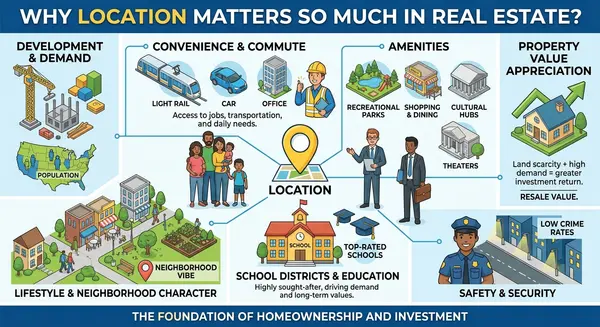
- School district
- Safe neighborhood
Nice-to-Have Features
- Swimming pool
- Finished basement
- Walk-in closets
- Smart home technology
- Home office
- Large kitchen
Avoid becoming emotionally attached to the first house you see.
Compare several properties before making your decision.
Step 7: Make an Offer
Once you find the right property, your agent will help prepare a competitive offer.
Your offer typically includes:
- Purchase price
- Earnest money deposit
- Financing terms
- Inspection contingency
- Appraisal contingency
- Closing date
The seller may:
- Accept
- Reject
- Counteroffer
Negotiation is a normal part of the home-buying process, so be prepared to compromise while staying within your budget.
Step 8: Schedule a Home Inspection
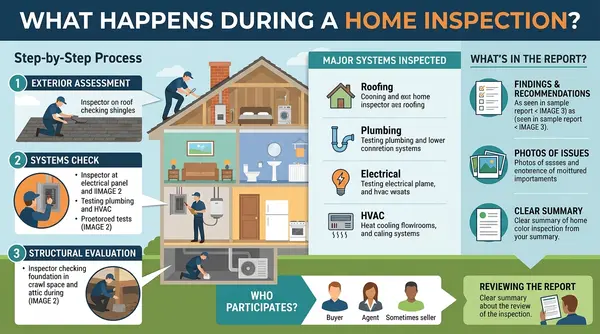
A professional home inspection helps uncover hidden issues before you finalize the purchase.
Inspectors evaluate:
- Roof
- Plumbing
- Electrical systems
- HVAC
- Foundation
- Windows
- Doors
- Appliances
- Insulation
- Structural components
If significant problems are discovered, you may negotiate repairs, request a price reduction, or, in some cases, withdraw your offer if your contract allows.
Step 9: Home Appraisal
If you're financing the purchase, your lender will require an appraisal to confirm the property's market value.
The appraisal helps ensure the lender isn't lending more than the home is worth.
If the appraised value is lower than the agreed purchase price, you may need to renegotiate the price, increase your down payment, or challenge the appraisal.
Step 10: Finalize Your Mortgage
After inspections and appraisal, you'll complete the mortgage approval process.
Your lender may request updated documents such as:
- Recent pay stubs
- Bank statements
- Proof of employment
- Identification
- Insurance information
Avoid making major financial changes before closing, such as changing jobs, taking out new loans, or making large purchases.
Step 11: Closing Day
Closing is the final step before you officially become a homeowner.
You'll review and sign documents related to:
- Mortgage agreement
- Title transfer
- Closing disclosure
- Property taxes
- Insurance
You'll also pay any remaining closing costs and your down payment.
Once everything is signed and funded, you'll receive the keys to your new home.
Congratulations—you are now a homeowner!
Common Mistakes Home Buyers Should Avoid
Avoid these common pitfalls:
- Skipping mortgage pre-approval
- Ignoring your credit score
- Buying beyond your budget
- Skipping the home inspection
- Forgetting closing costs
- Making major purchases before closing
- Not comparing mortgage lenders
- Letting emotions drive decisions
- Overlooking neighborhood research
- Failing to read contracts carefully
Being informed can save you time, money, and stress.
Frequently Asked Questions
How much money do I need to buy a house in the USA?
The amount depends on the home's price, loan type, and closing costs. Many buyers qualify with a down payment as low as 3%, but you'll also need funds for closing costs, inspections, and moving expenses.
How long does it take to buy a house?
Most home purchases take 30 to 60 days from the time an offer is accepted, although timelines can vary depending on financing and market conditions.
Is a 20% down payment required?
No. Many mortgage programs allow qualified buyers to purchase a home with a much smaller down payment.
What credit score is needed?
While requirements vary by lender and loan type, higher credit scores generally qualify for better interest rates and loan terms.
Should I get pre-approved before looking at homes?
Yes. Pre-approval helps you understand your budget and makes your offer more attractive to sellers.
Final Thoughts
Buying a house in the USA is a major milestone, and careful preparation can make the journey much smoother. By understanding your budget, improving your credit, obtaining mortgage pre-approval, working with an experienced real estate agent, and completing inspections and financing carefully, you'll be well-positioned to make a confident purchase.
Whether you're buying your first home or expanding your real estate portfolio, taking each step thoughtfully can help you avoid costly mistakes and achieve your homeownership goals.
Categories
Recent Posts