The Rise of New Construction Homes in the U.S.: What Buyers Need to Know in 2026

For decades, existing homes have dominated the U.S. housing market.
But the balance is changing.
New construction is becoming an increasingly important part of the American housing landscape as builders respond to limited existing-home inventory, changing buyer preferences and the country's long-term housing shortage.
In 2026, buyers in many markets have more opportunities to consider newly built homes than they did several years ago.
New construction can offer modern layouts, energy-efficient features, fewer immediate maintenance concerns and, in some cases, financial incentives from builders.
But buying a newly built home is not automatically easier or cheaper.
Construction costs remain high, land is expensive, and new homes can come with additional expenses that buyers need to understand.
For anyone considering purchasing a home in 2026 or 2027, understanding the growing role of new construction can provide valuable insight into where the housing market is heading.
Why New Construction Matters More Today
The United States has spent years dealing with a shortage of housing.
In many communities, there simply are not enough homes available for the number of households looking to buy or rent.
Existing homeowners cannot solve that shortage by themselves.
When one homeowner sells a house, another buyer takes ownership.
The total number of homes does not increase.
New construction is different.
Every newly completed home adds another property to the housing supply.
That makes builders an important part of the long-term solution to America's housing shortage.
Builders Are Filling a Supply Gap
Existing-home inventory remains limited in many communities.
One reason is the mortgage lock-in effect.
Homeowners who secured exceptionally low mortgage rates several years ago may be reluctant to sell because purchasing another home could mean taking on a much more expensive loan.
This has reduced the number of existing properties entering the market.
Builders can partially fill that gap by creating new inventory.
That is one reason new construction has become particularly important during the current housing cycle.
New Construction Is Not Just About Luxury Homes
When people hear "new construction," they sometimes imagine large luxury houses with expensive finishes.
Today's new-home market is broader.
Builders are developing:
-
Townhomes
-
Condominiums
-
Entry-level homes
-
Single-family communities
-
Multifamily properties
-
Suburban developments
-
Mixed-use communities
The growing focus on smaller and more affordable designs reflects the reality that buyers are increasingly sensitive to monthly payments.
Affordability Is Influencing Home Design
The traditional American dream often involved a large home on a large lot.
But affordability pressures are changing buyer priorities.
Many households are increasingly willing to consider:
-
Smaller floor plans
-
Townhomes
-
Condominiums
-
Smaller lots
-
Shared amenities
-
More efficient layouts
The goal is not always to maximize square footage.
It is often to find the right balance between price, location, functionality and monthly cost.
New Homes Can Offer Modern Layouts
One major advantage of new construction is the ability to design homes around modern lifestyles.
Open living spaces, flexible rooms, home offices and larger kitchens are common features in newer developments.
Many buyers also appreciate having modern electrical systems, plumbing, insulation and HVAC equipment.
This can reduce the likelihood of needing major upgrades immediately after moving in.
However, buyers should still conduct inspections where appropriate.
New does not automatically mean perfect.
Energy Efficiency Is Becoming More Important
Energy efficiency is another major selling point.
Newer homes may include:
-
Improved insulation
-
Energy-efficient windows
-
Modern HVAC systems
-
Efficient water heaters
-
Smart thermostats
-
Energy-efficient appliances
-
LED lighting
These features can potentially reduce utility consumption.
They may also make the home more comfortable throughout the year.
As energy costs remain an important household expense, efficiency can become part of the affordability equation.
Technology Is Changing New Homes
Modern buyers are also interested in connected-home features.
Depending on the builder and price range, a new home may offer:
-
Smart locks
-
Smart thermostats
-
Video doorbells
-
Connected lighting
-
Security systems
-
Garage controls
-
Energy monitoring
These features are increasingly becoming part of standard home design rather than luxury additions.
However, buyers should distinguish between features included in the base price and optional upgrades.
The Base Price Is Not Always the Final Price
One of the most important things buyers should understand about new construction is that the advertised price may not represent the final cost.
A builder's base price may exclude certain upgrades.
Buyers may want:
-
Better flooring
-
Upgraded cabinets
-
Additional lighting
-
Premium countertops
-
Finished basements
-
Larger patios
-
Enhanced appliances
-
Custom fixtures
These upgrades can add significantly to the final purchase price.
Before committing, buyers should understand exactly what is included.
Builder Incentives Are Becoming More Important
In a changing housing market, builders may use incentives to attract buyers.
Depending on the community and financing arrangement, incentives can include:
-
Closing-cost assistance
-
Temporary mortgage-rate reductions
-
Design upgrades
-
Appliance packages
-
Lot incentives
-
Other purchase benefits
These incentives can make new construction more competitive with existing homes.
But buyers should compare the total economics.
A property with a slightly higher price and a financing incentive may or may not be cheaper overall than another property with a lower price.
Compare New Construction With Existing Homes
Buyers should not assume new construction is automatically the better choice.
Existing homes can have advantages.
They may offer:
-
Established landscaping
-
Mature neighborhoods
-
Larger lots
-
More central locations
-
Existing community amenities
-
More predictable property surroundings
New construction can offer:
-
Modern design
-
New systems
-
Lower immediate maintenance needs
-
Energy-efficient features
-
Builder warranties
-
Customization opportunities
The right choice depends on the buyer.
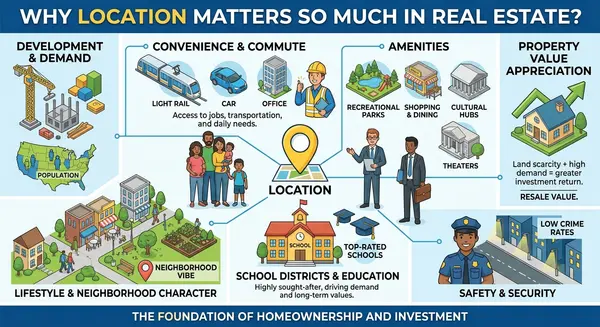
Location Still Matters Most
A new home in an inconvenient location is not necessarily a better purchase than an older home in a desirable neighborhood.
Buyers should consider:
-
Commute
-
Schools
-
Shopping
-
Healthcare
-
Transportation
-
Parks
-
Restaurants
-
Future development
A beautiful new home may not compensate for a location that does not fit your lifestyle.
New Construction Can Change Entire Communities
Large developments can transform neighborhoods.
A new community can bring:
-
More residents
-
New businesses
-
Roads
-
Schools
-
Parks
-
Retail
-
Public infrastructure
That can create opportunities for existing homeowners and businesses.
But rapid development can also create challenges.
Infrastructure may struggle to keep pace.
Traffic can increase.
Construction may continue for years.
Buyers should understand the development timeline before purchasing.
New Construction and Resale Value
Buyers should also think about what happens when they eventually sell.
A home surrounded by hundreds of nearly identical new properties may face competition when it enters the resale market.
On the other hand, a well-located property in a community with strong amenities can retain demand.
The long-term value of a new home depends on more than the fact that it was newly built.
Location, construction quality, neighborhood demand and future supply all matter.
Builder Reputation Matters
Not every builder provides the same experience.
Before purchasing, buyers should research:
-
Builder history
-
Construction quality
-
Warranty terms
-
Customer reviews
-
Completed communities
-
Complaint patterns
-
Local reputation
A lower price is not necessarily a better deal if construction quality or customer service becomes a problem.
Inspections Still Matter
Some buyers assume inspections are unnecessary because everything is new.
That is a mistake.
Construction involves many systems and subcontractors.
An inspection can potentially identify issues involving:
-
Electrical systems
-
Plumbing
-
Roofing
-
HVAC
-
Windows
-
Grading
-
Insulation
-
Structural components
The exact inspection process can vary depending on the property and stage of construction.
Buyers should understand their rights and options before closing.
Construction Timelines Can Change
Buying a home before construction is complete can involve uncertainty.
Weather, material availability, labor, permitting and other factors can affect the completion schedule.
A buyer who needs to move by a specific date should understand the potential risks.
This is especially important when selling an existing home or ending a lease based on an expected completion date.
Interest Rates Still Affect New Construction
New homes are not immune to mortgage-rate pressures.
When rates rise, buyers have less purchasing power.
Builders may respond by:
-
Adjusting prices
-
Offering incentives
-
Building smaller homes
-
Slowing construction
-
Changing product mixes
If rates fall, demand could increase.
That could encourage builders to increase production.
The relationship between rates and construction will remain important through 2027.
New Construction Could Help Improve Housing Supply
Over the long term, continued construction could help reduce some of the housing shortage.
But the process takes time.
A development may require years of:
-
Planning
-
Financing
-
Approvals
-
Infrastructure
-
Construction
-
Sales
That means today's housing shortage cannot be solved immediately.
New construction is part of a long-term solution.
Where New Construction May Be Strongest
Construction activity tends to be stronger in areas with:
-
Available land
-
Population growth
-
Employment opportunities
-
Infrastructure
-
Builder interest
-
Favorable development conditions
This is one reason certain Southern and Western markets have seen substantial new housing development.
However, growth can eventually create its own affordability challenges if demand does not keep pace with supply.
Why Some Markets Have Less New Construction
Building is more difficult in densely developed markets.
Limited land, high land costs, zoning rules and lengthy approval processes can restrict new housing.
That helps explain why some Northeast and coastal markets continue to experience limited inventory despite strong demand.
Where construction is difficult, existing homes may remain particularly valuable.
The Future Could Include More Attached Housing
Townhomes and condominiums may become increasingly important as buyers search for affordability.
Attached homes can provide access to desirable locations at a lower purchase price than many detached single-family properties.
However, buyers should carefully review HOA fees, rules and financial health.
A lower purchase price can be offset by high monthly association costs.
Build-to-Rent Is Also Growing
Another development worth watching is build-to-rent housing.
Instead of selling every newly constructed home, some developers create communities specifically designed for long-term rental.
These properties can provide renters with features associated with single-family living without requiring them to purchase a home.
The growth of build-to-rent communities could influence both rental and ownership markets in certain areas.
New Construction and First-Time Buyers
New construction can sometimes be attractive to first-time buyers because modern homes may require fewer immediate repairs.
That can make budgeting easier.
Instead of moving into an older home and immediately replacing a roof or HVAC system, a buyer may have a newer property covered by builder warranties.
However, buyers should still maintain an emergency fund.
New homes can have unexpected issues, and warranties do not necessarily cover every expense.
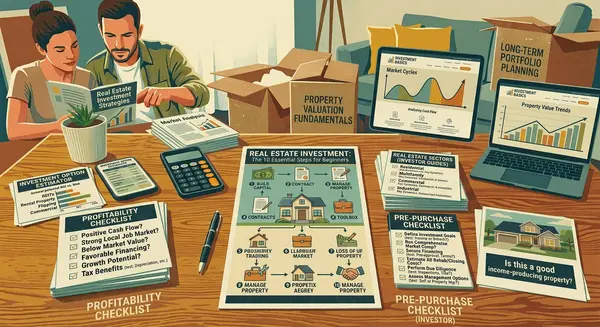
New Construction and Investors
Investors need to evaluate new construction differently.
A brand-new rental property may have lower immediate maintenance requirements.
But the purchase price could be higher.
Investors should calculate:
-
Expected rent
-
Property taxes
-
Insurance
-
HOA fees
-
Financing
-
Maintenance
-
Vacancy
-
Management
-
Potential appreciation
A new property can be attractive, but it still needs to work financially.
Will New Construction Lower Home Prices?
This is one of the most common questions.
More construction can reduce upward pressure on prices by increasing supply.
But construction alone does not guarantee lower prices.
If population growth and household formation remain strong, new homes may simply satisfy new demand.
Construction costs also influence the final price.
If land and labor remain expensive, builders may struggle to produce homes at substantially lower prices.
The long-term impact will therefore depend on both supply and demand.
Could New Construction Create More Buyer-Friendly Markets?
Yes.
If a community adds significant housing while buyer demand remains moderate, buyers may have more options.
That can lead to:
-
More negotiation
-
Longer selling times
-
Builder incentives
-
Greater choice
-
Slower price growth
This is already becoming visible in some markets with substantial construction activity.
What Buyers Should Ask Before Purchasing New Construction
Before signing a contract, buyers should understand:
What exactly is included in the base price?
Which upgrades are optional?
What are the estimated property taxes?
What are the HOA fees?
What does the builder warranty cover?
What is the expected completion date?
Can the completion date change?
What inspection rights do I have?
Are there future phases planned nearby?
What community amenities are included?
Are there additional fees?
Getting answers early can prevent unpleasant surprises later.
What Sellers Should Know
Existing homeowners should also pay attention to nearby new construction.
A new development can create competition.
If a buyer can purchase a brand-new home with modern features and builder incentives, an older property may need to compete through:
-
Pricing
-
Condition
-
Location
-
Lot size
-
Upgrades
-
Flexibility
However, existing homes can also have advantages.
Established landscaping, mature trees, larger lots and desirable locations can make older properties highly attractive.
What We Could See Through 2027
New construction is likely to remain an important part of the U.S. housing market.
Builders will continue balancing three major challenges:
Buyer affordability
Construction costs
Housing demand
If mortgage rates decline, buyer demand could increase.
If rates remain elevated, builders may focus more heavily on incentives and lower-priced products.
If construction costs rise, affordability could remain difficult even with increased supply.
The Bigger Picture
America's housing shortage cannot be solved by existing homeowners alone.
The country needs additional housing.
That means new construction will remain essential.
But simply building more expensive homes will not fully address affordability.
The market needs a broad range of housing types and price points.
Starter homes.
Townhomes.
Condos.
Single-family homes.
Rental communities.
Senior housing.
Multifamily properties.
A diverse housing supply gives households more choices at different stages of life.
Final Thoughts
New construction is becoming one of the most important forces shaping the U.S. housing market.
For buyers, it offers an alternative to the limited supply of existing homes.
For sellers, it creates additional competition.
For investors, it presents both opportunities and challenges.
And for communities, it can bring new residents, infrastructure and economic activity.
But buying a new home requires careful evaluation.
The base price may not be the final price.
The completion date may change.
Builder incentives may come with conditions.
And a new home is not automatically a better investment than an existing one.
The best decision depends on the complete picture: price, financing, location, construction quality, future development and long-term affordability.
As the U.S. housing market moves through 2026 and toward 2027, new construction will likely play an increasingly important role in determining how much buyers have to choose from and how competitive sellers need to be.
At Onest Real Estate, we believe that understanding both new and existing housing options is essential to making a confident real estate decision.
The newest home is not always the best home. The best home is the one that fits your needs, your budget and your long-term goals.
Categories
Recent Posts